





Photographing facilities that fight the camera
- CLIENT
- PCO
- INDUSTRY
- Refractory Materials
- SIZE
- 500+ people | Global operations
- SERVICE
- Photography
OVERVIEW
PCO needed photos of a working refractory plant for its new website and catalogues. We scripted 30 stations over two production days, shot around a plant that never stopped, and delivered 172 selected images of processes, people and products.
introduction
01A plant that never stops
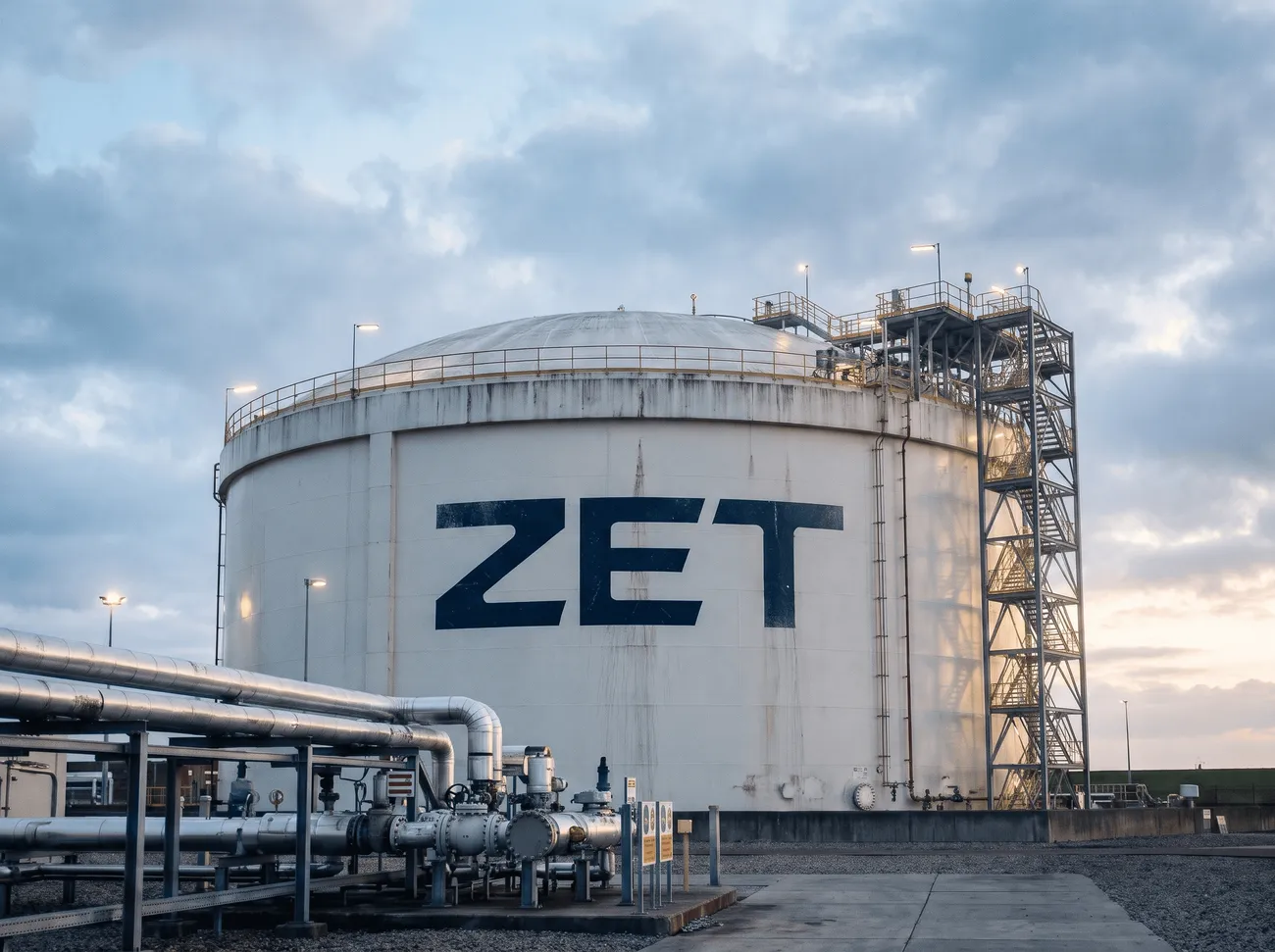
PCO in Żarów makes refractory bricks, shapes, insulation and dry mixes for kilns and furnaces around the world. When we rebuilt the brand and the website, stock photography was never an option: a refractory buyer spots a fake kiln in a second. PCO needed its own image library, one it could use for years across the website, catalogues, presentations and social media.
Why the camera struggles
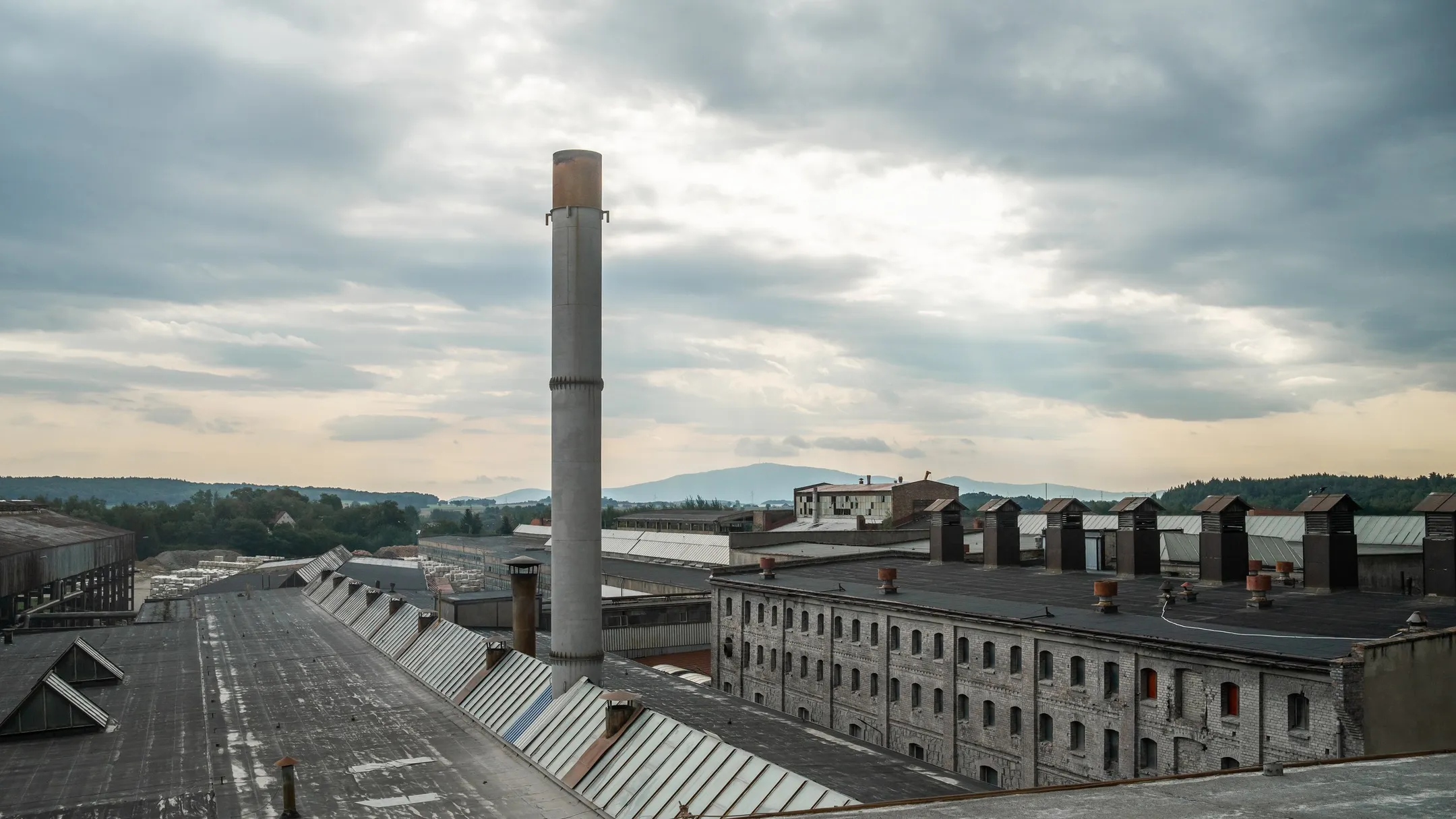
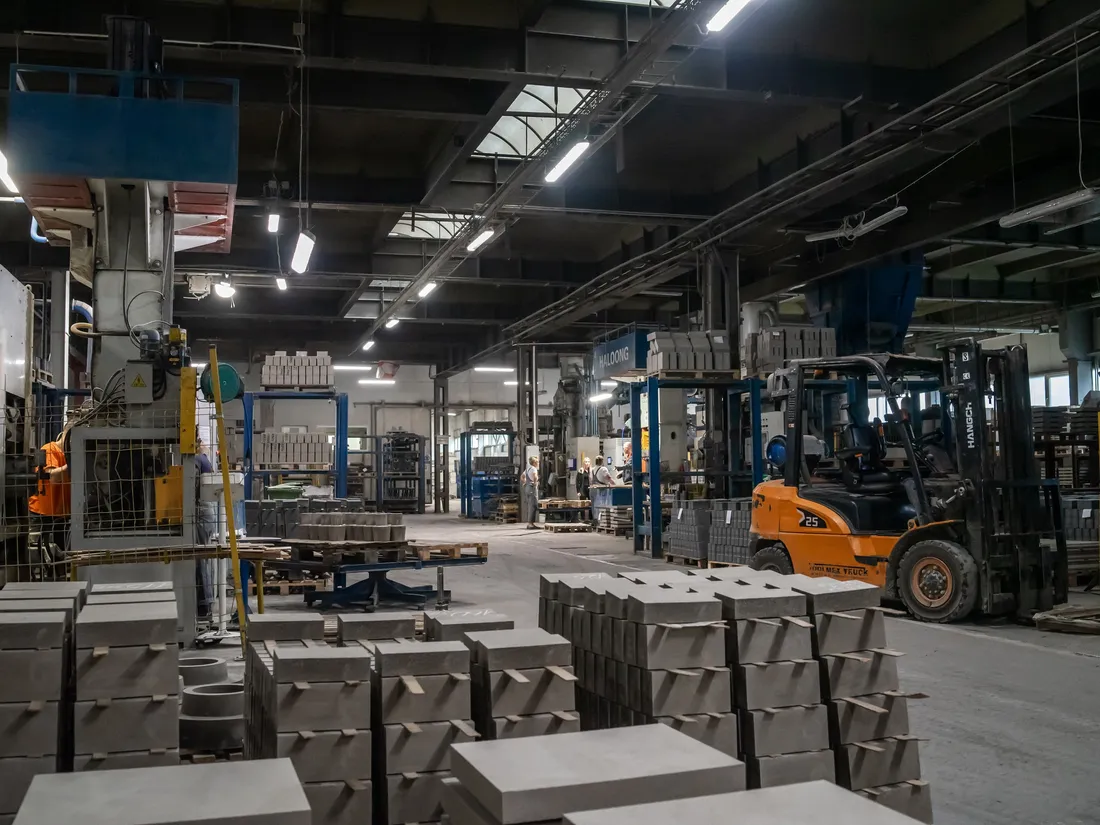
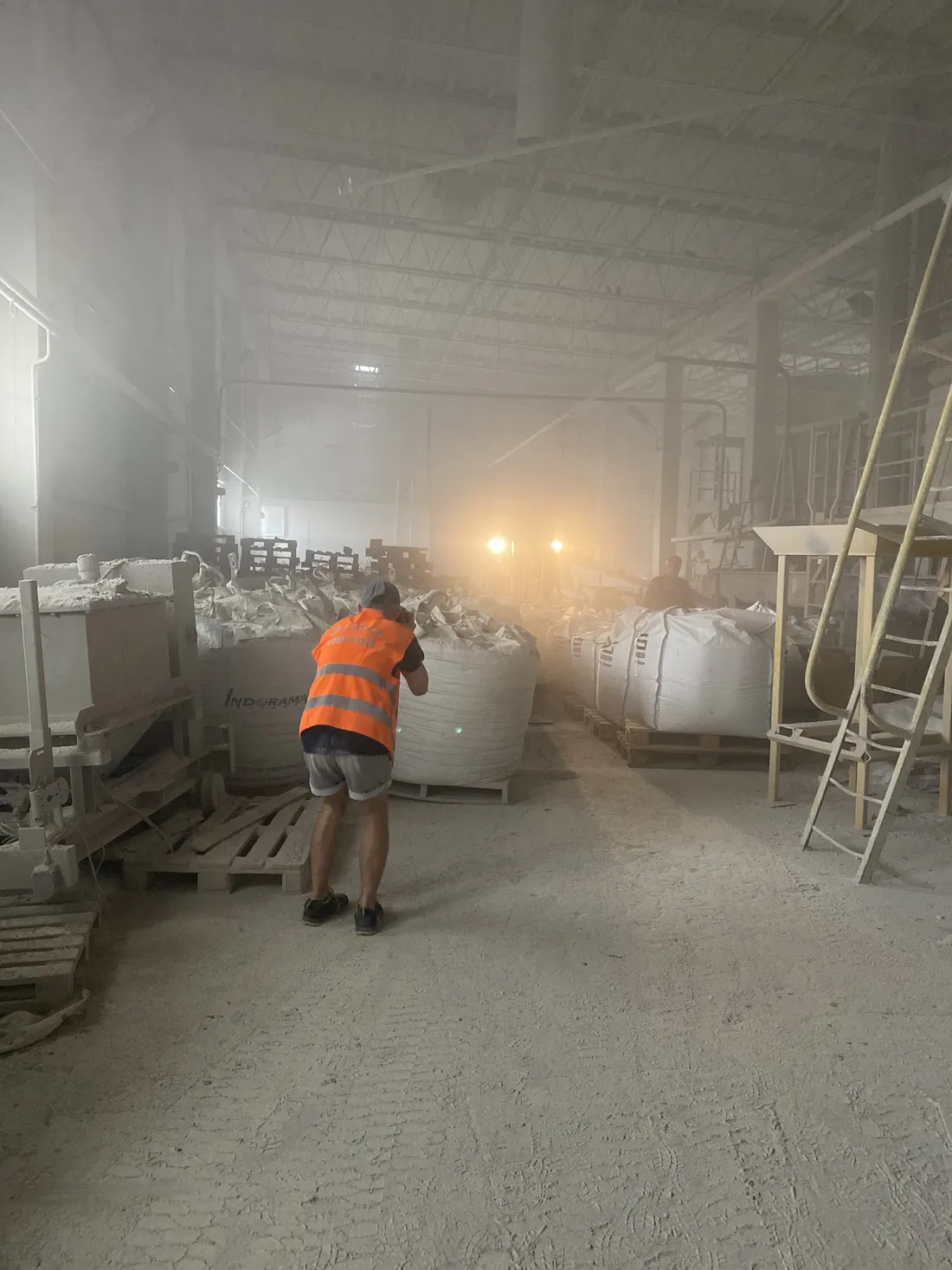
Refractory production is dusty, hot and dim. The halls are lit for safety, not for lenses. Fine powder hangs in the air and settles on everything, and every department works to a schedule that cannot pause for a photographer. We had two days on site to cover the full process, the people and the product range.
preparation
02Scripting the shoot before anyone packs a lens
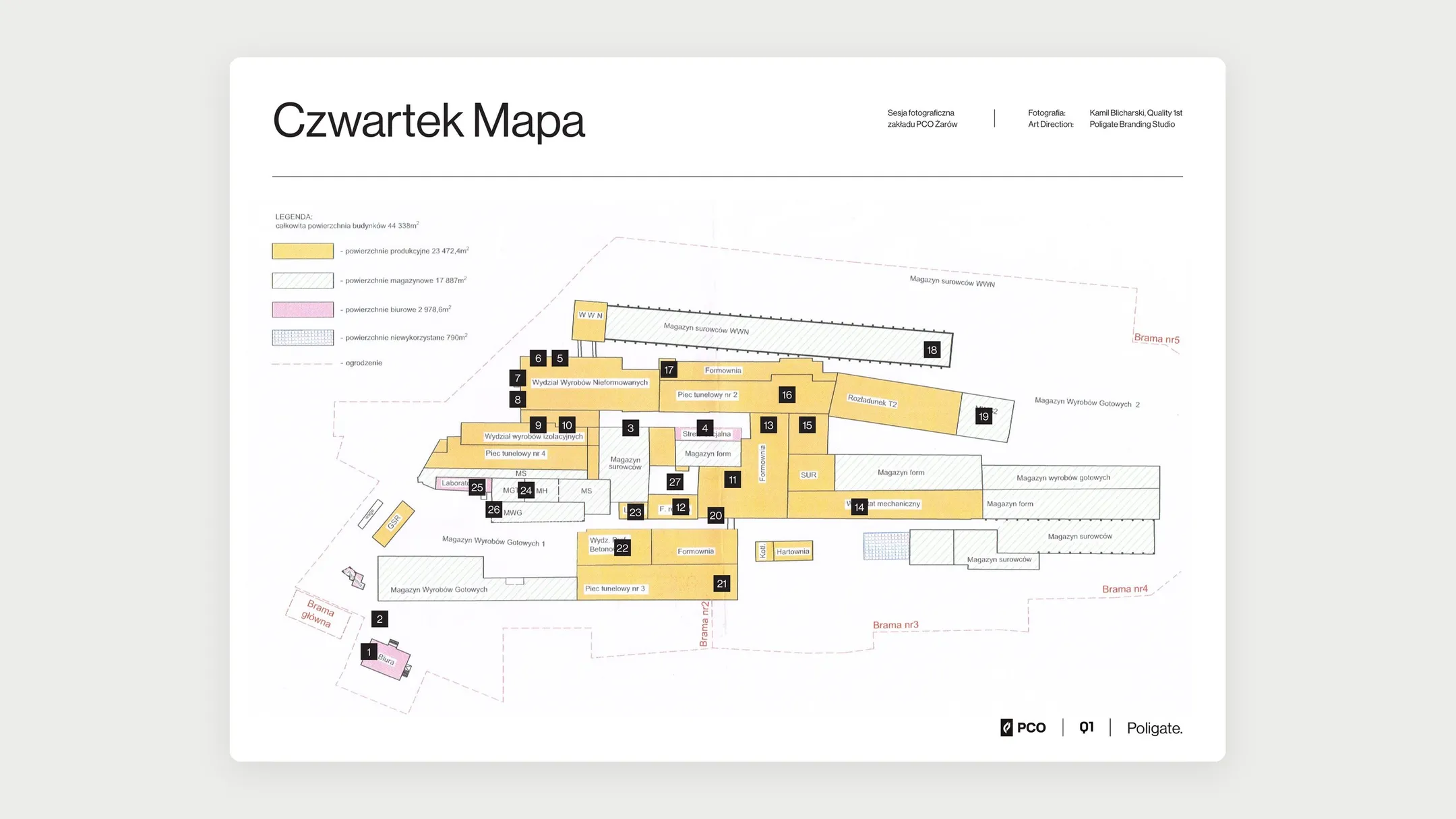
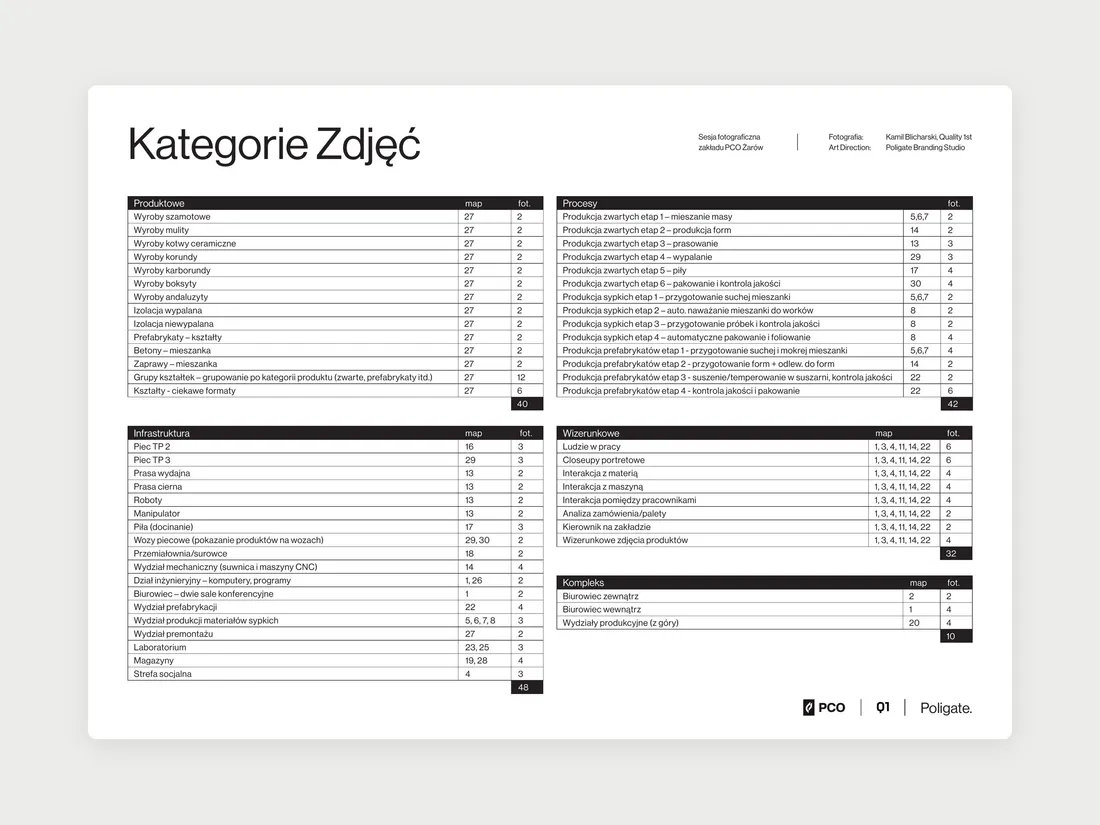
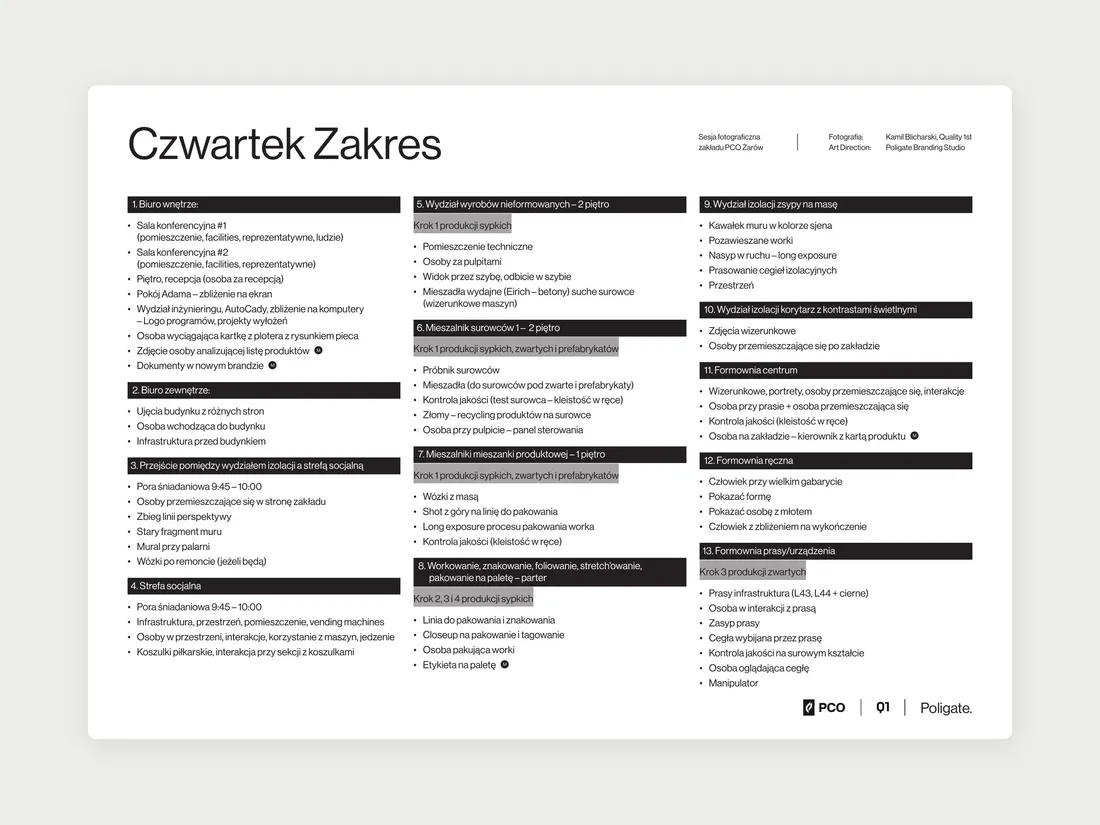
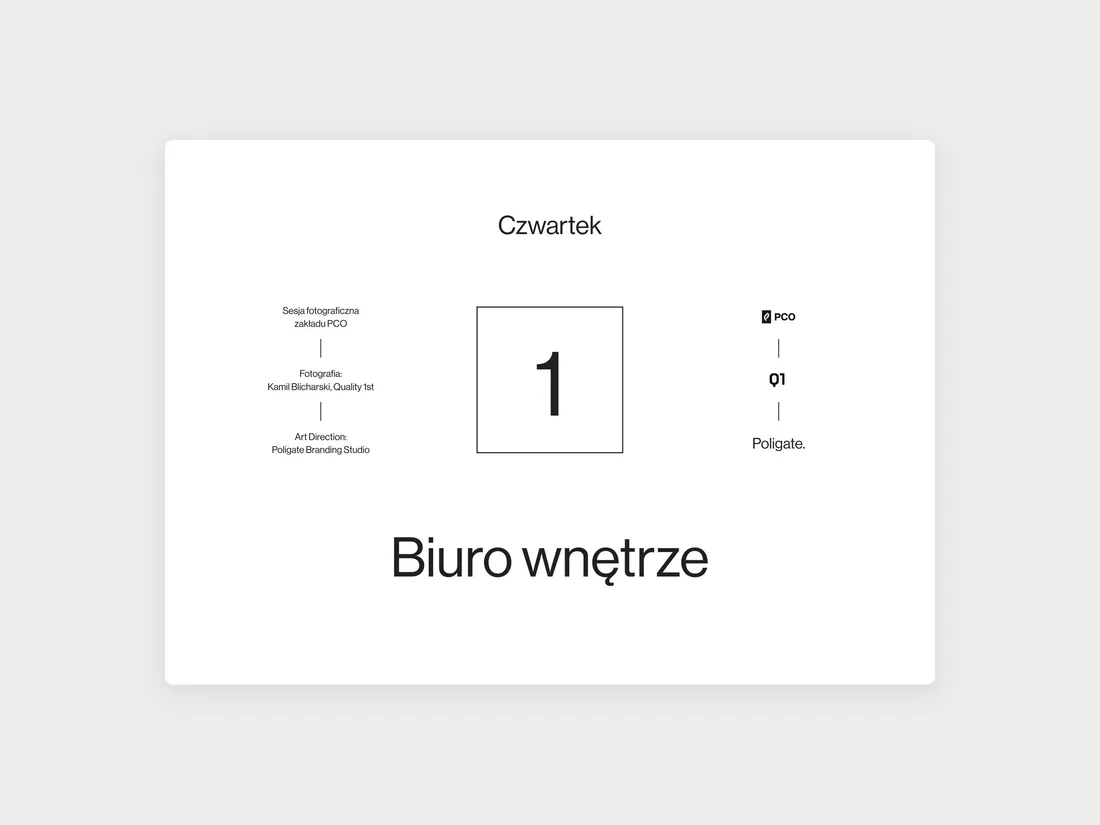
We started from the plant map PCO sent us and turned it into a shooting script. Every location became a numbered station, 27 on Thursday and 3 more on Friday, each with its own checklist of shots. The first page listed every photo category with a target count, from portrait close-ups to order analysis, so nothing depended on memory on the day.
Planned around the new website
We wrote the shot list alongside the website we were designing for PCO. Each production step on the site needed a picture, each product category needed a close-up, and every section needed people. PCO's sales team checked the list against the plant and sent reference phone photos of every station, so we knew the light and the angles before we arrived.
preparation
03Moodboard, dress code and station cards
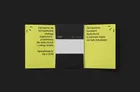
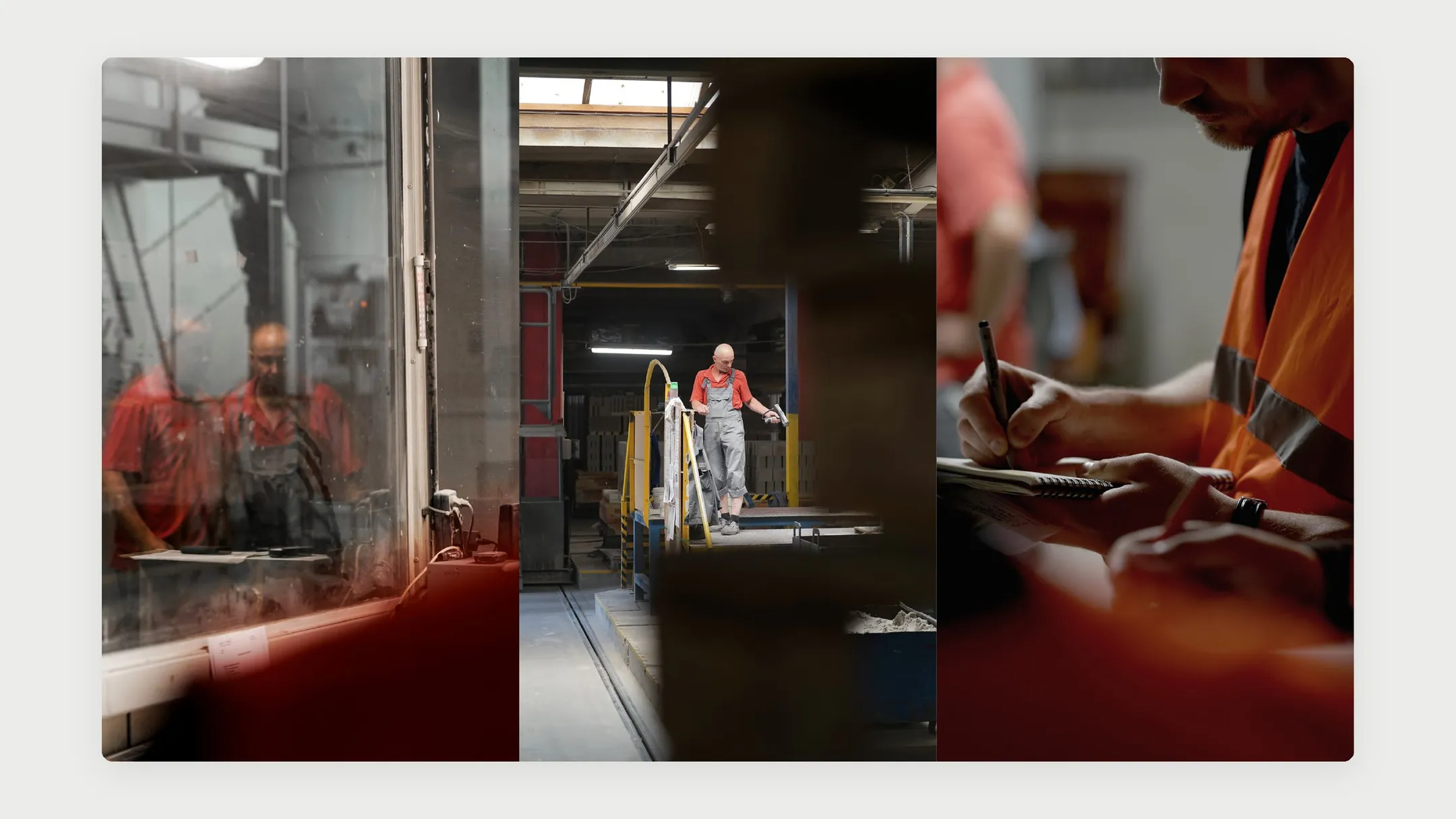
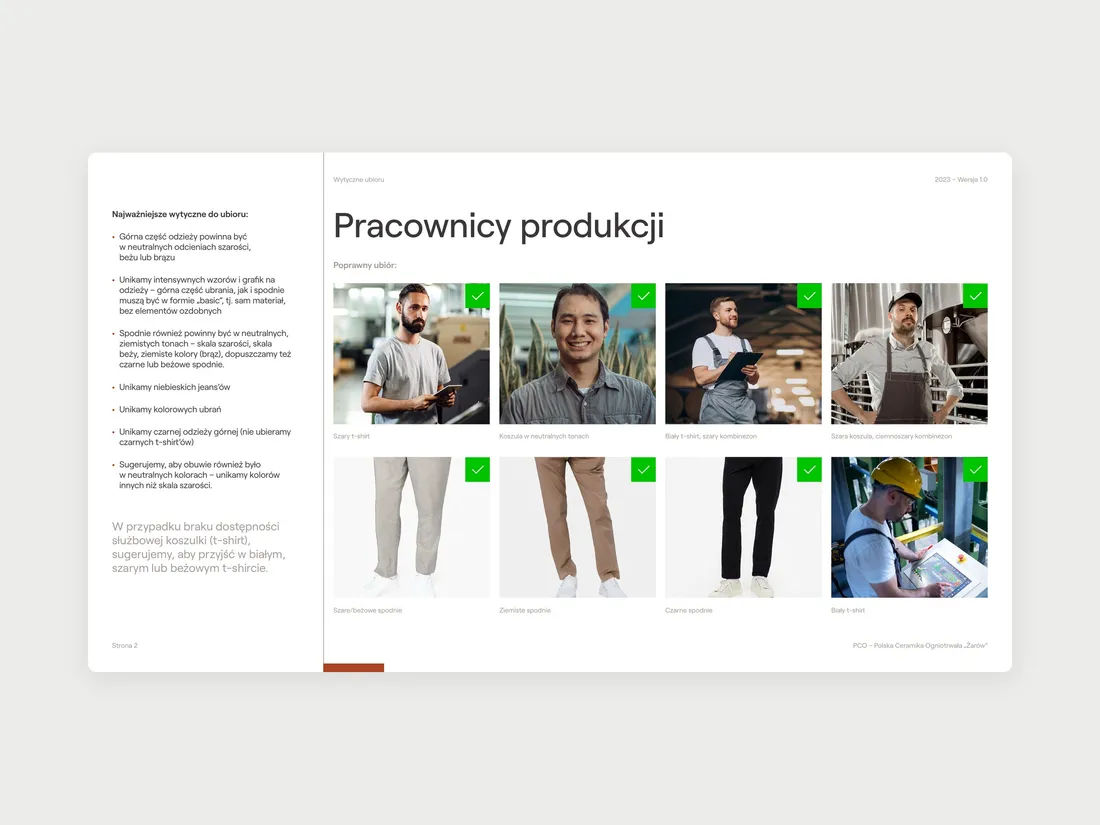
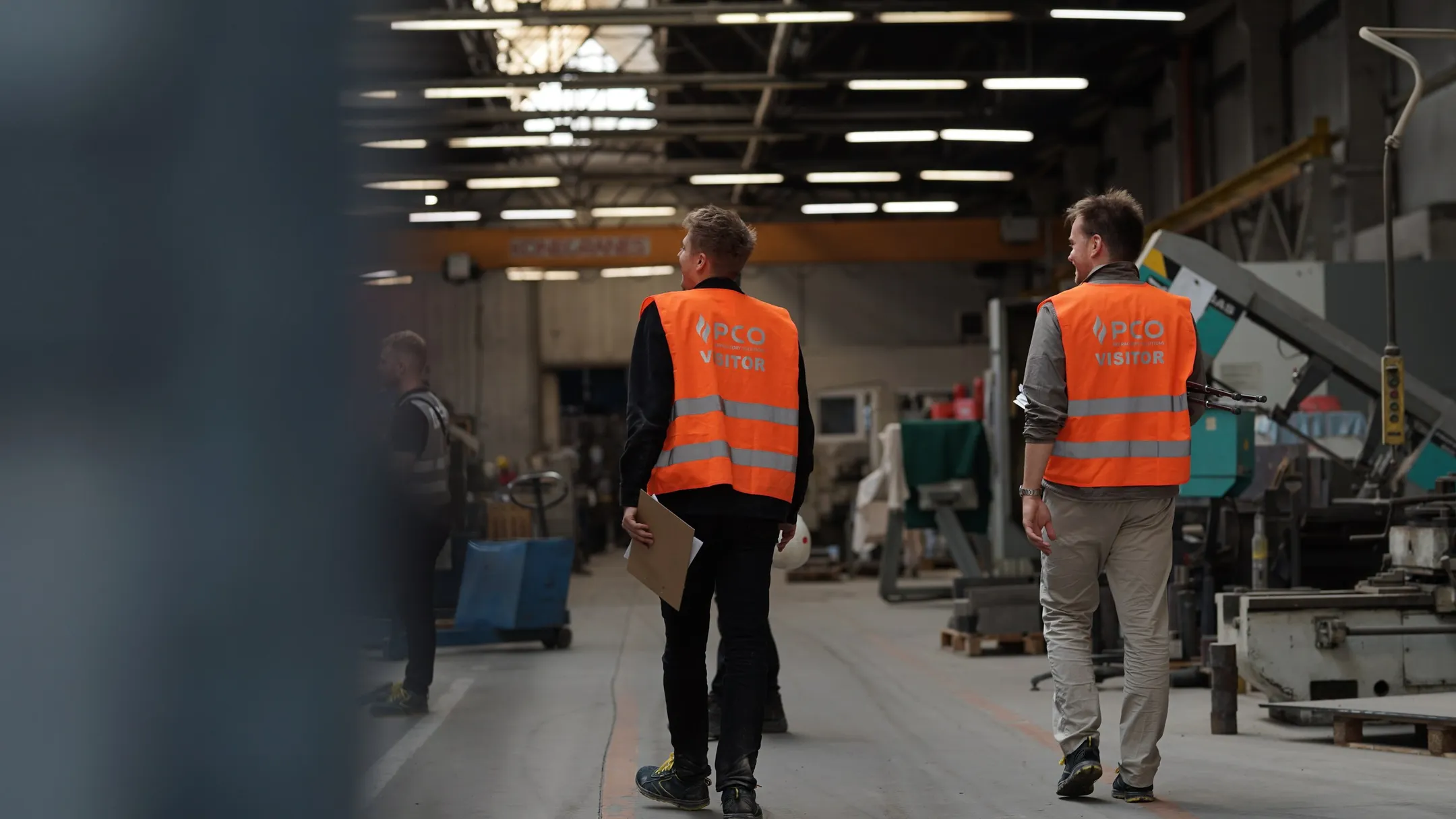
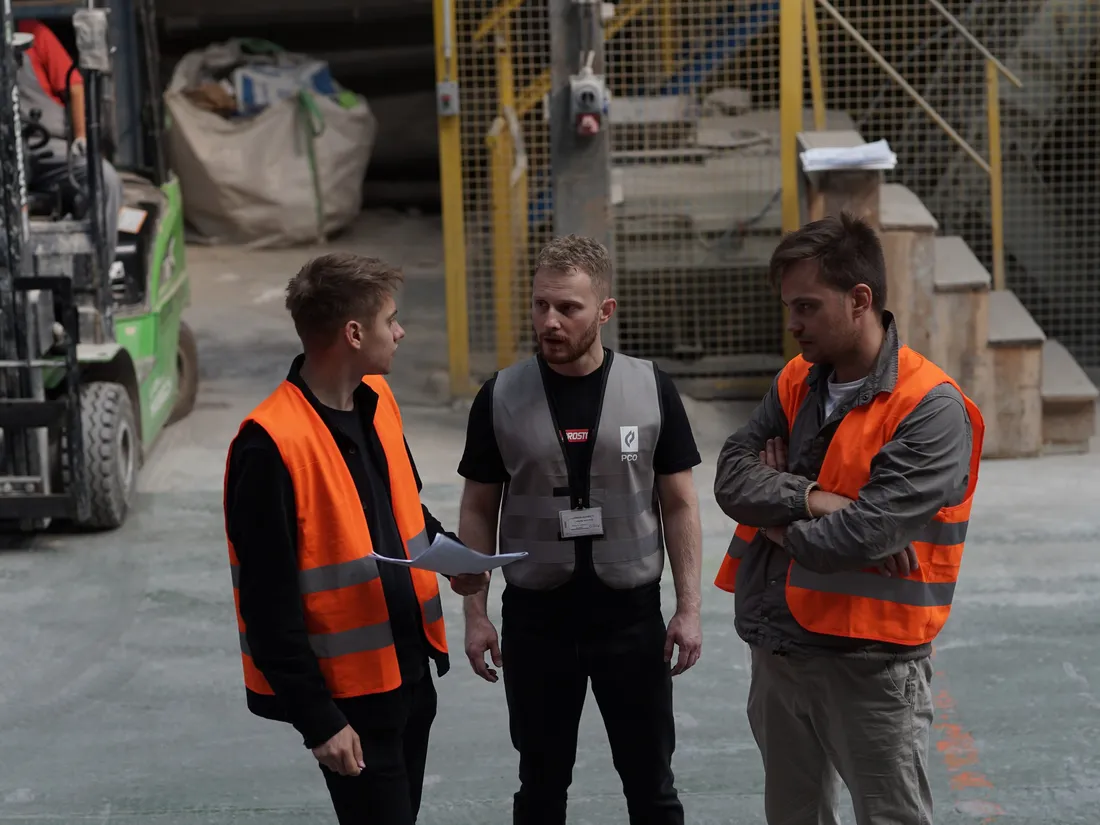
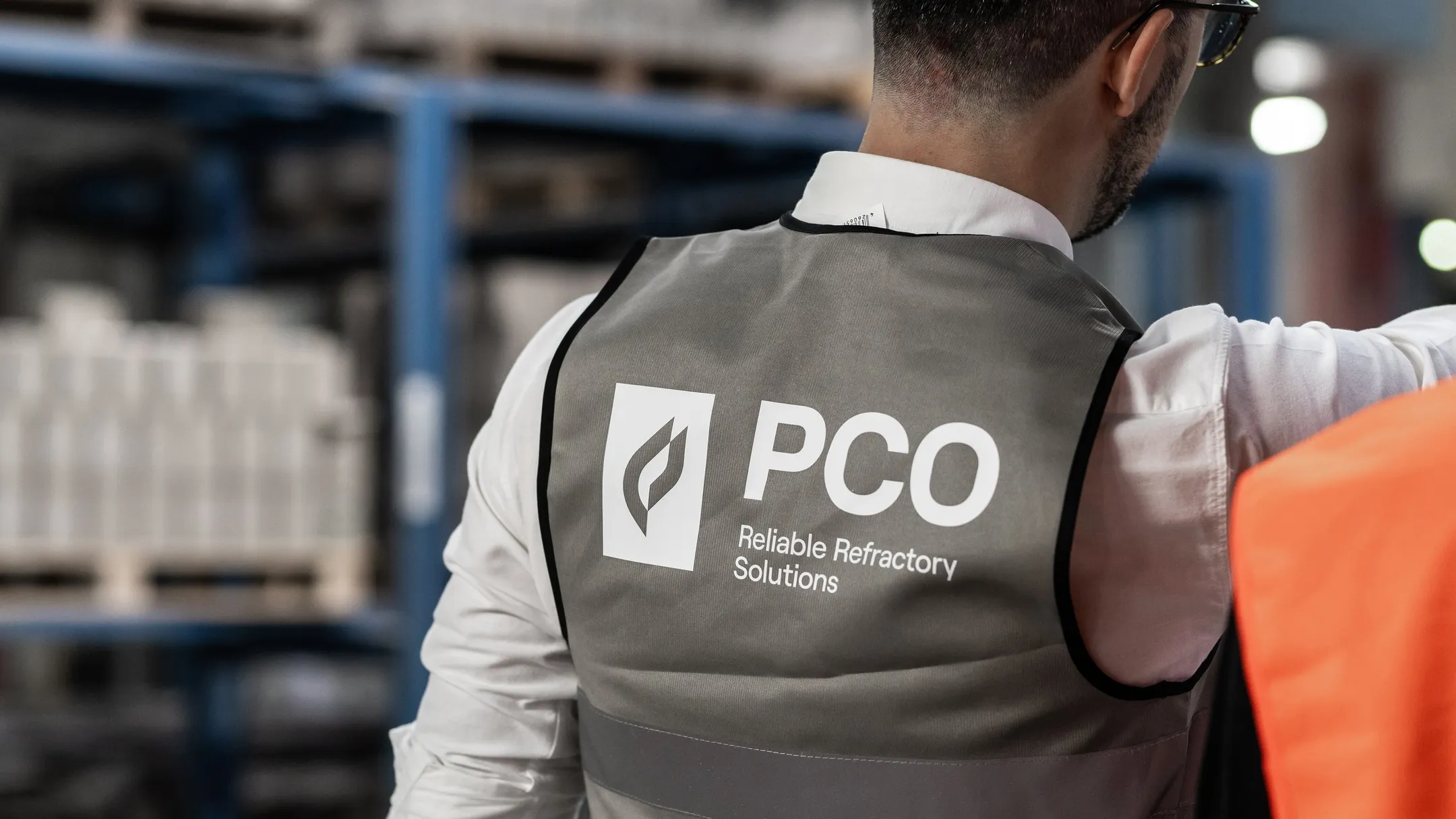
A moodboard set the tone: dark halls, warm light from the kilns, hands on material. Production teams received a dress guide (neutral greys, beiges and browns, no logos or patterns, no blue jeans, no black tops) so the brand, not the clothing, carried the frame. A printed station card went in front of the lens at every stop, which kept each file traceable to its place in the script.
process
04Following the material
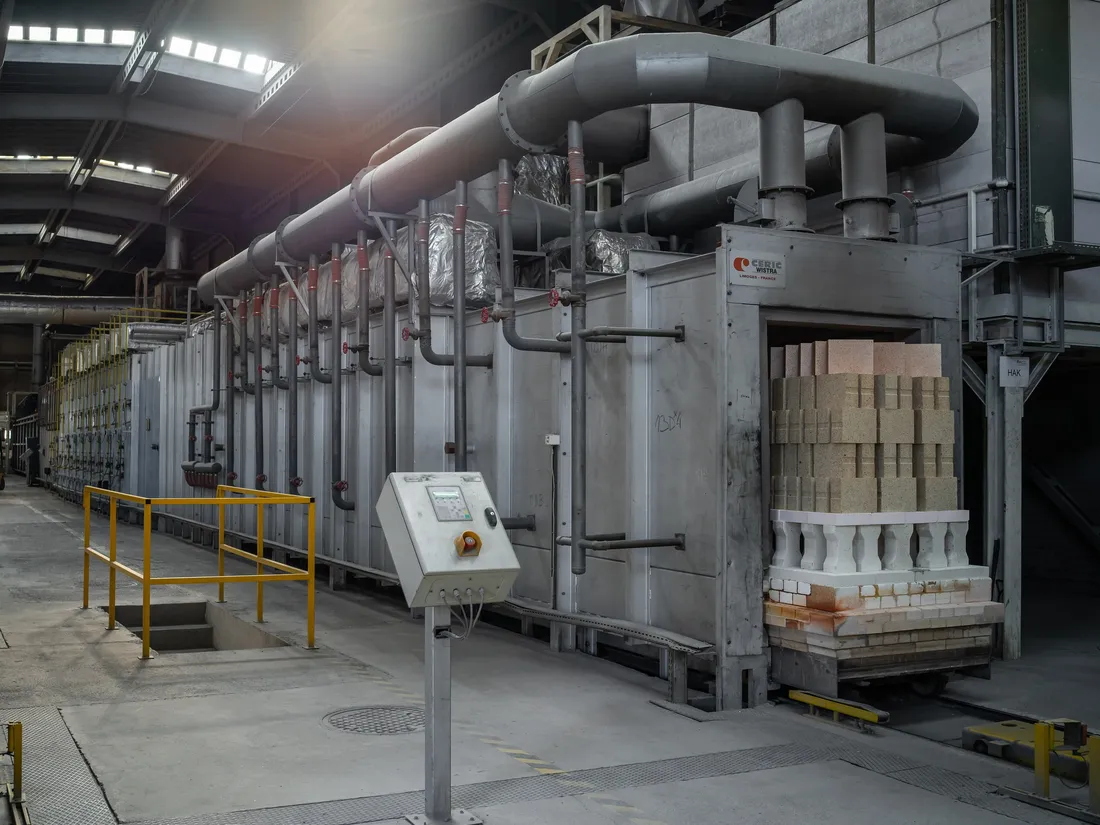
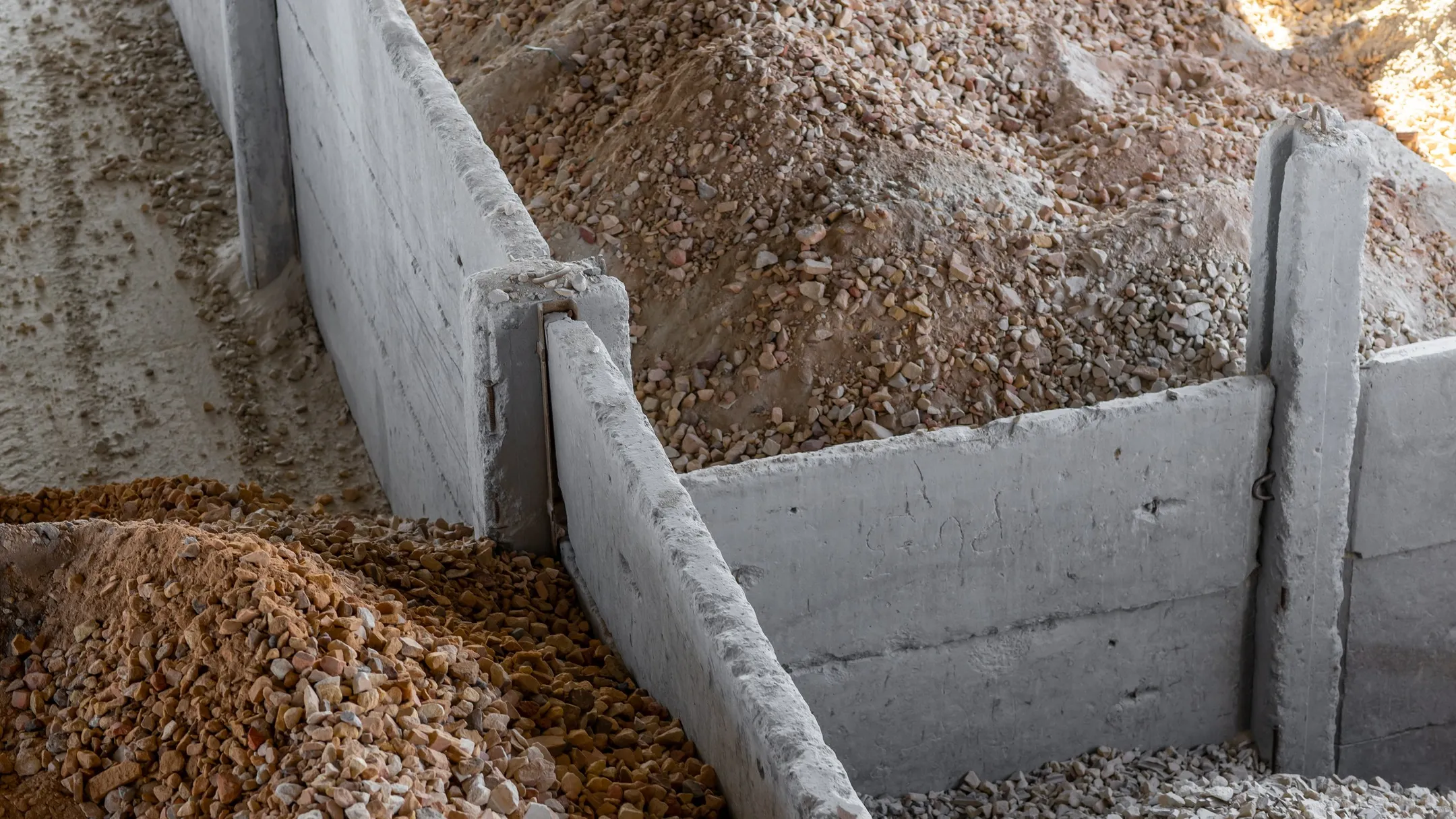
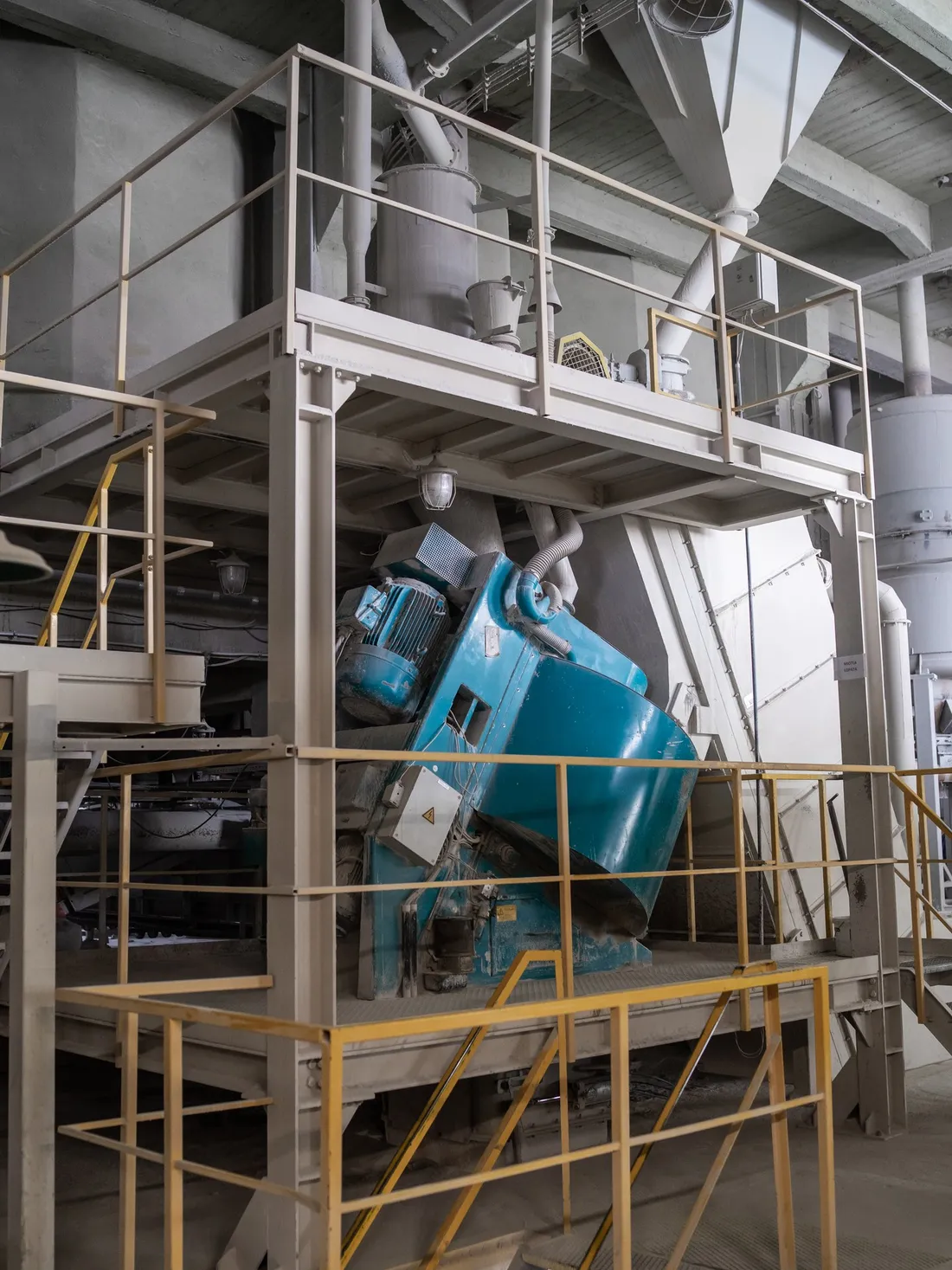
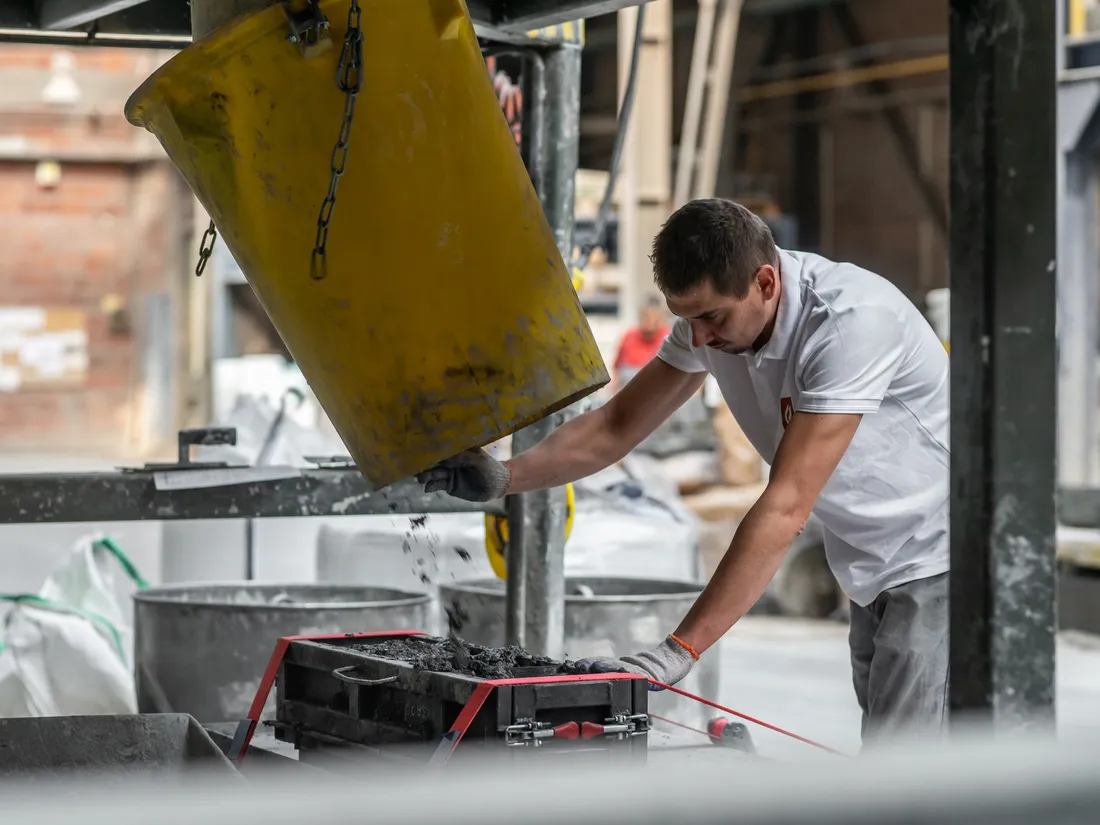
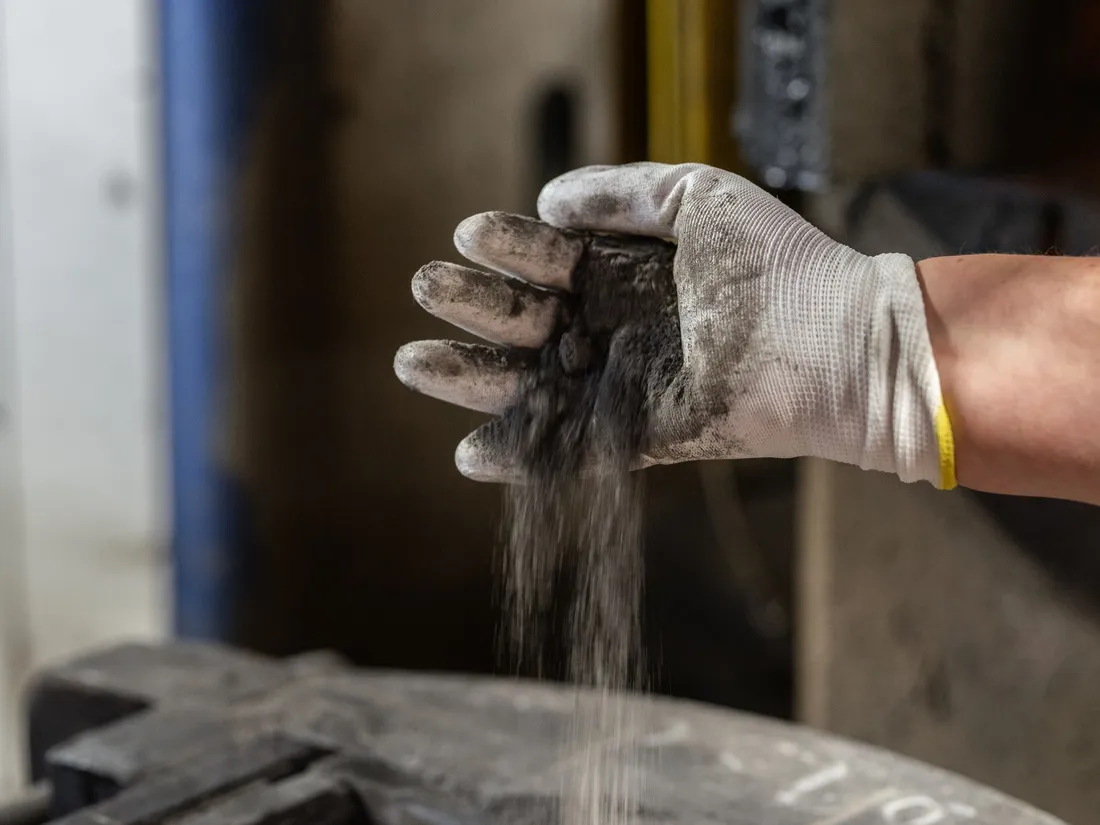
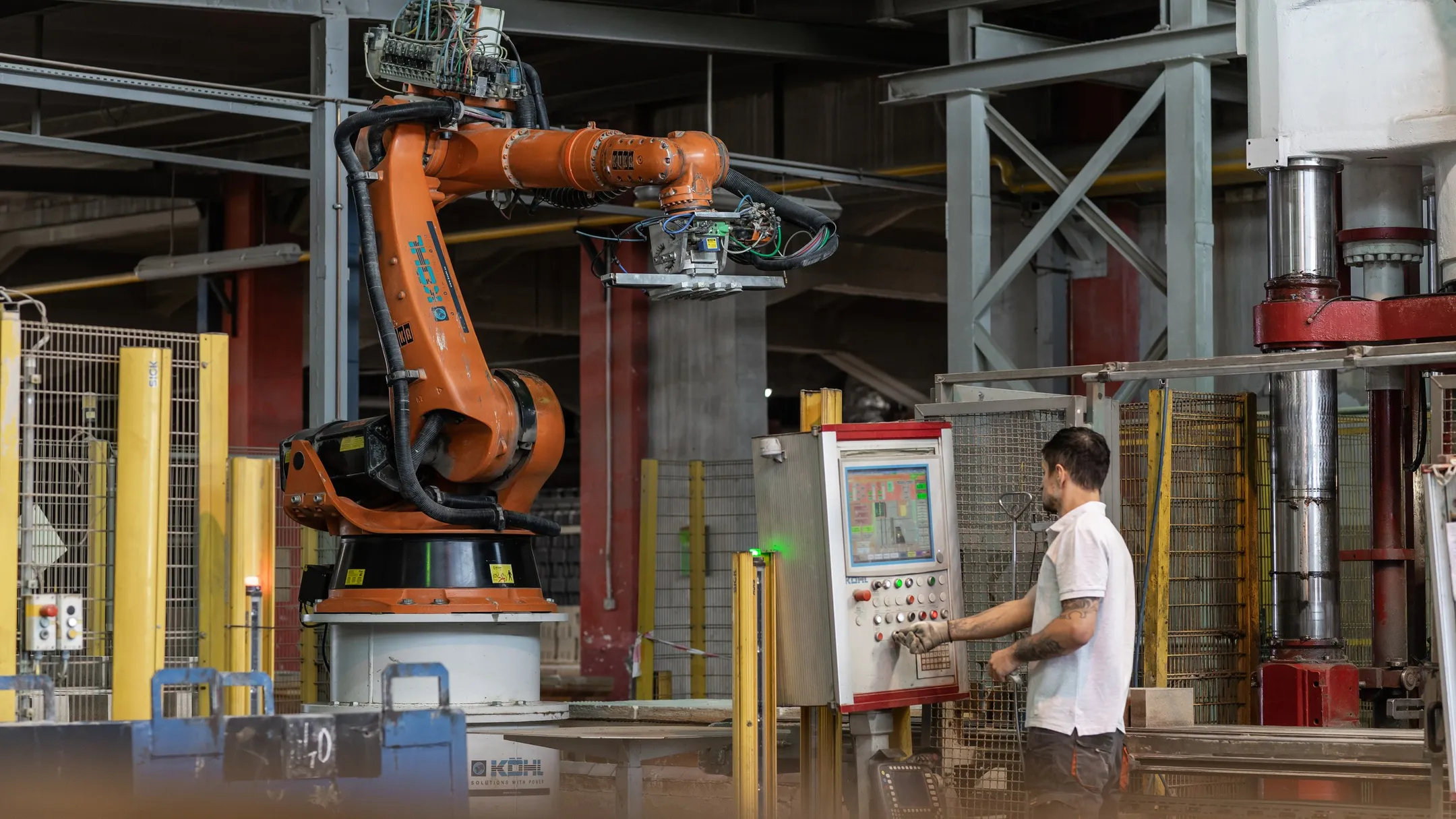
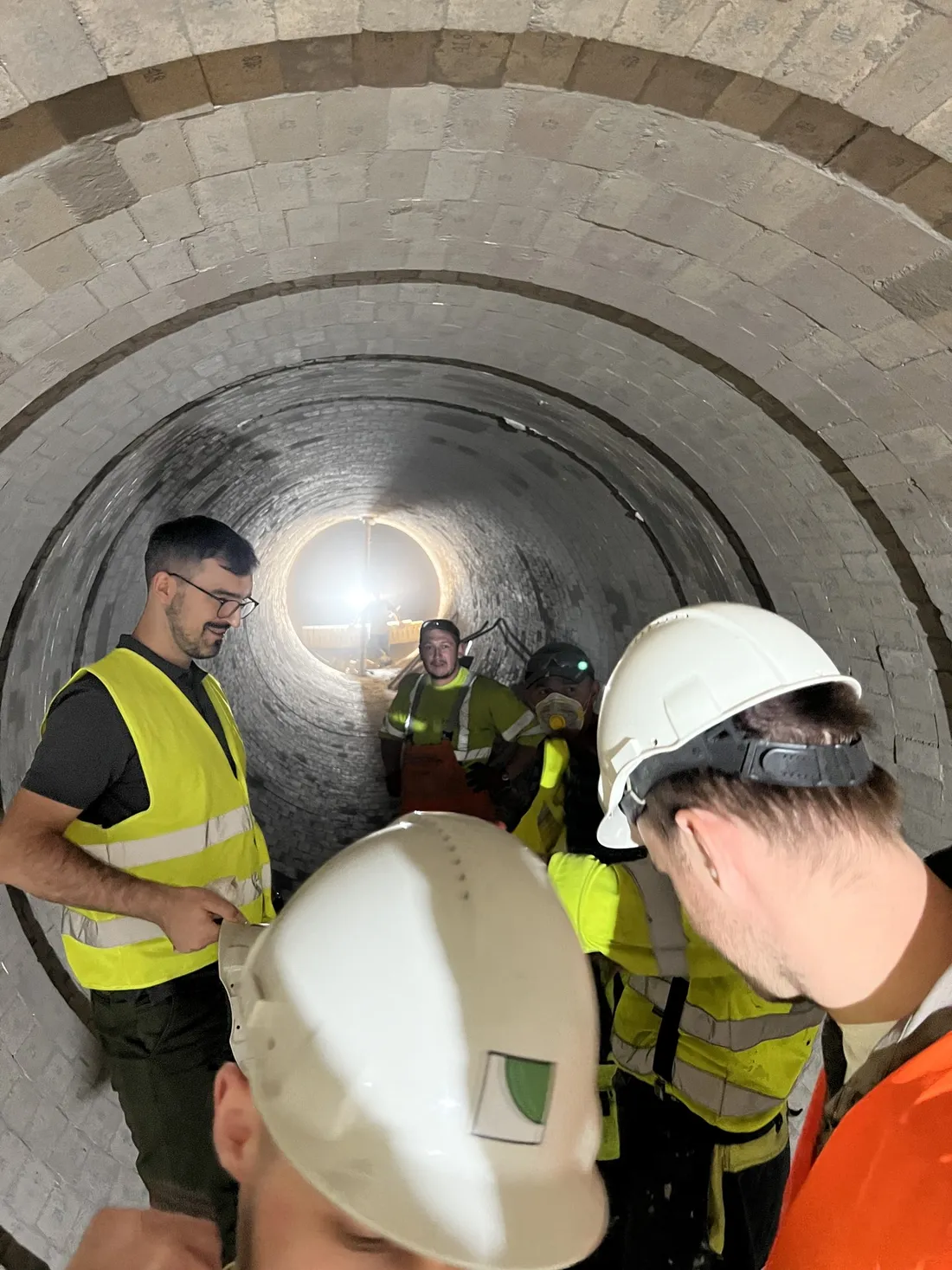
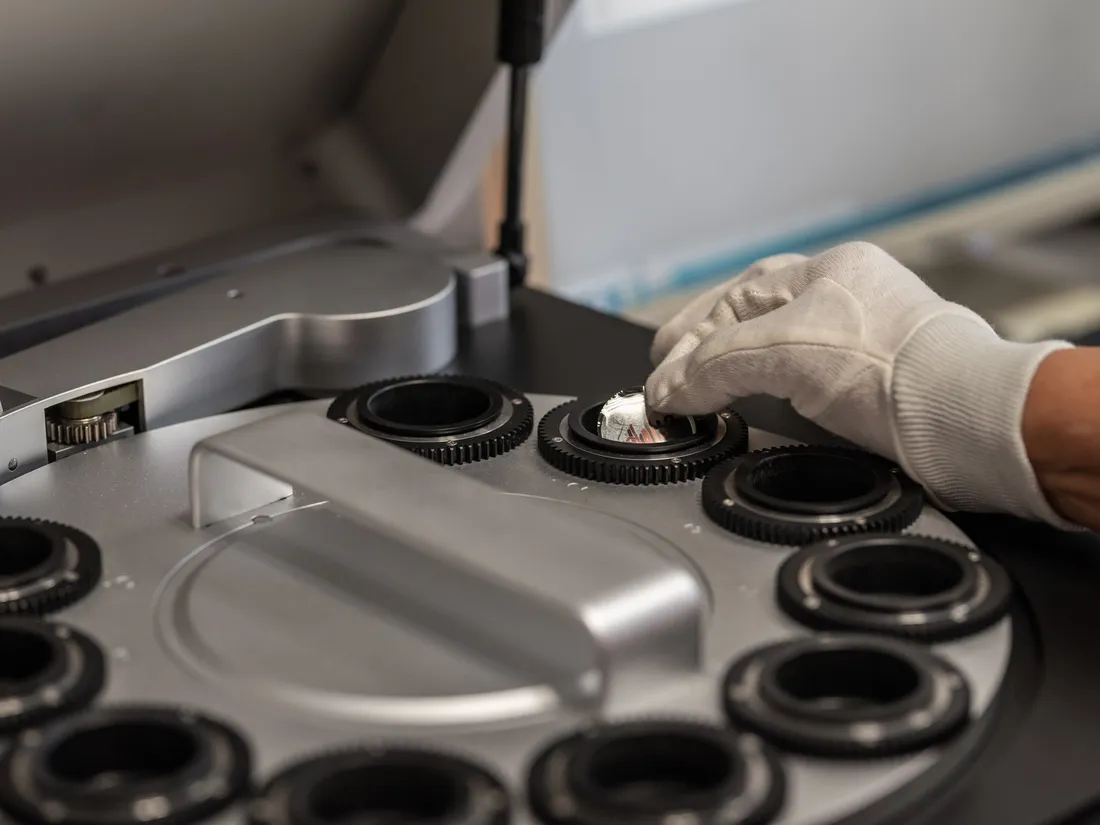
We shot the process in the order the material moves: crushing and grinding, mixing, pressing and casting, firing in the TP2 and TP3 tunnel kilns, cutting, quality control and packing. Each step is explained visually through people and machine close-ups, showing what happens without exposing confidential parameters.
Details an engineer would check
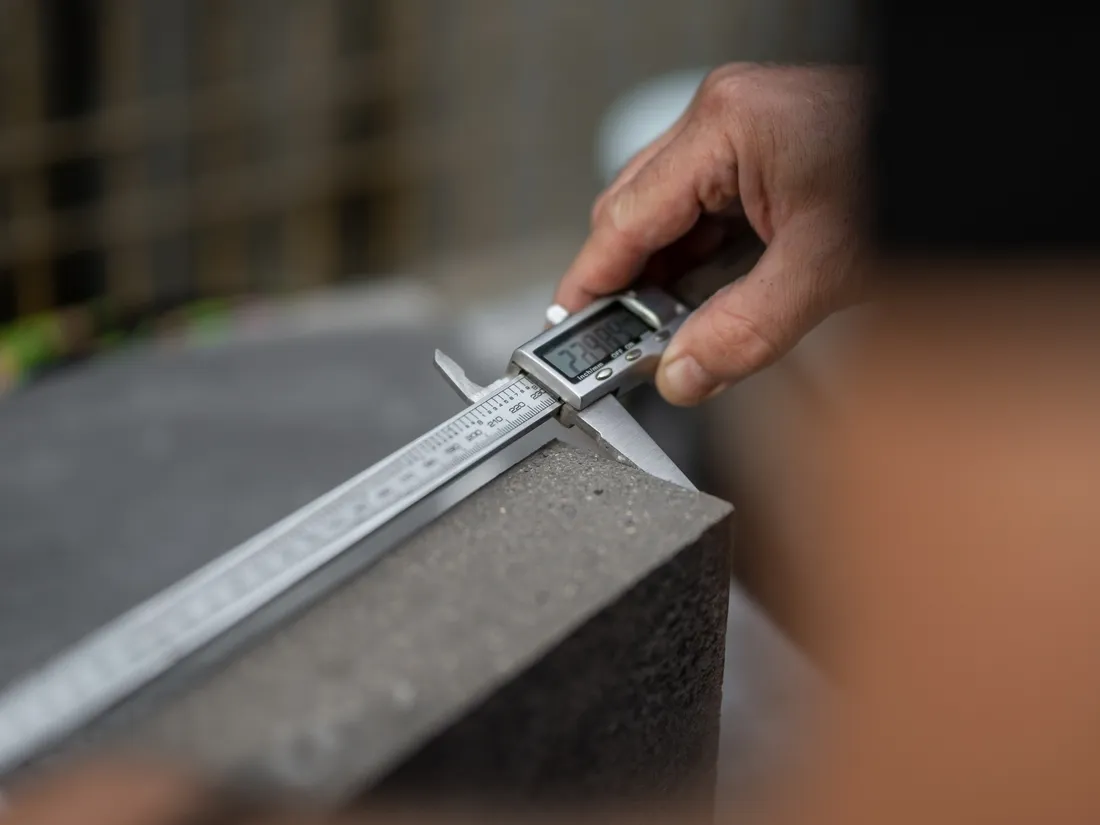
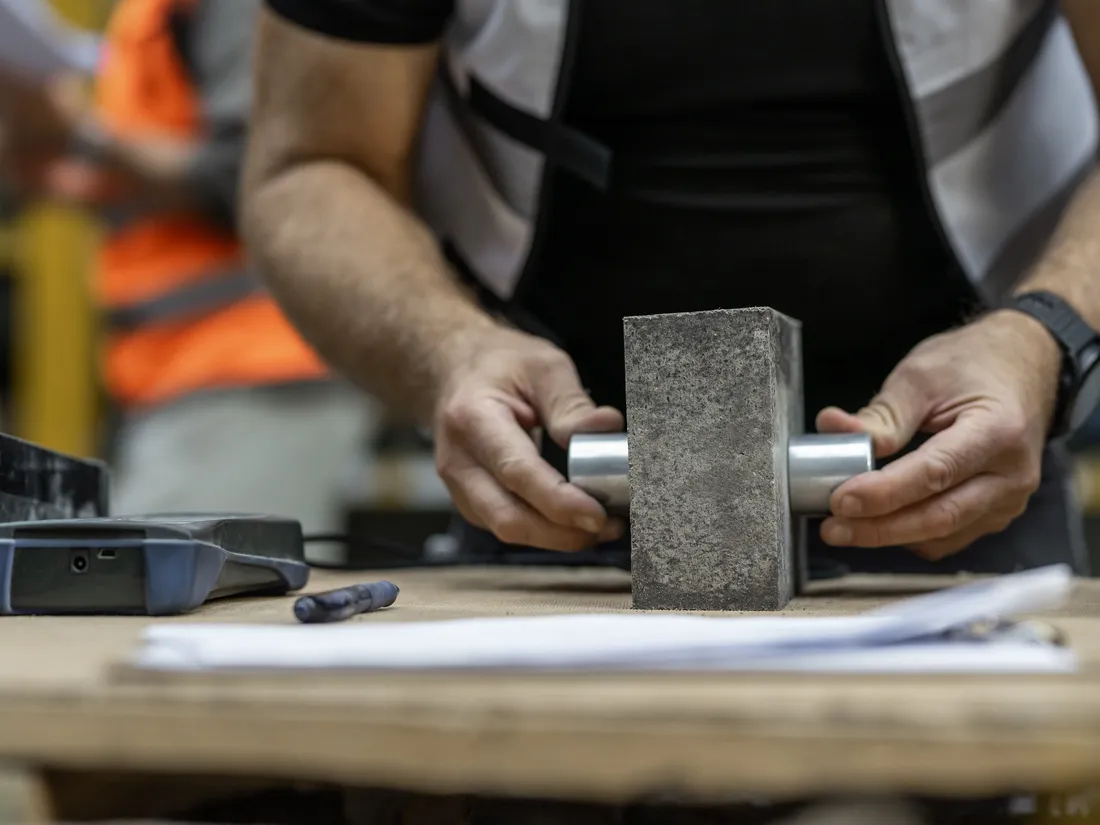
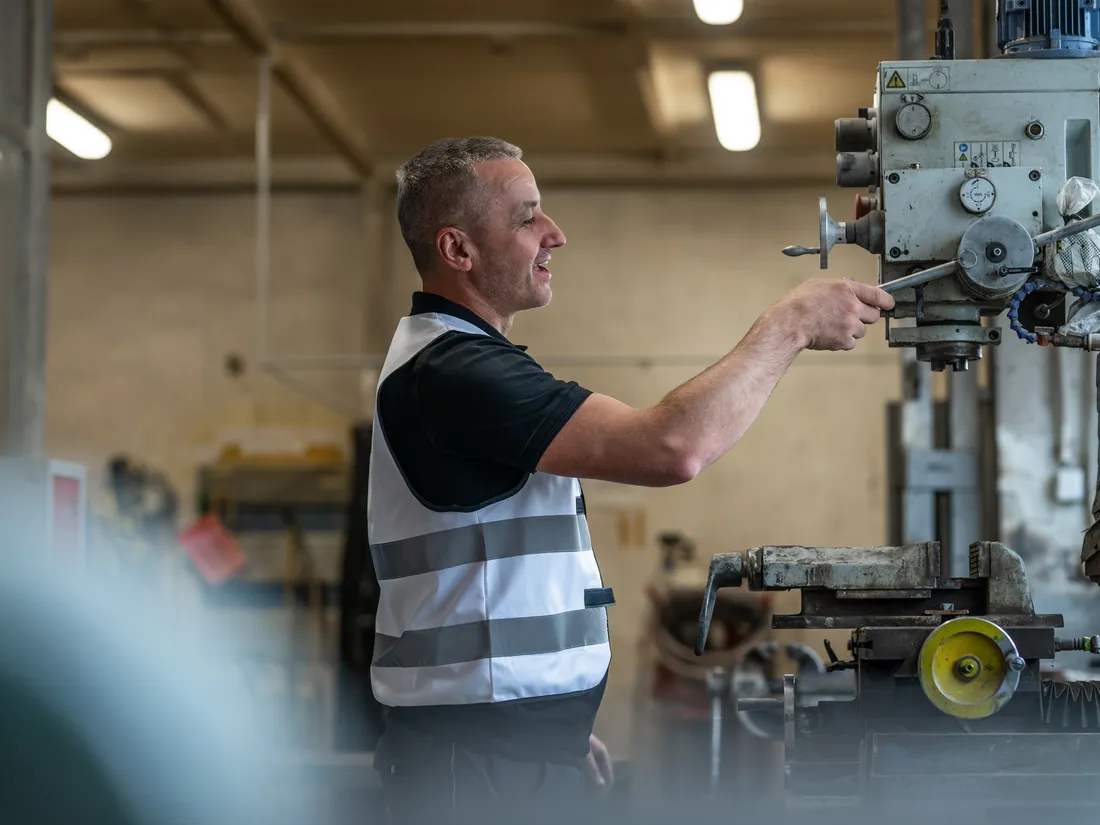
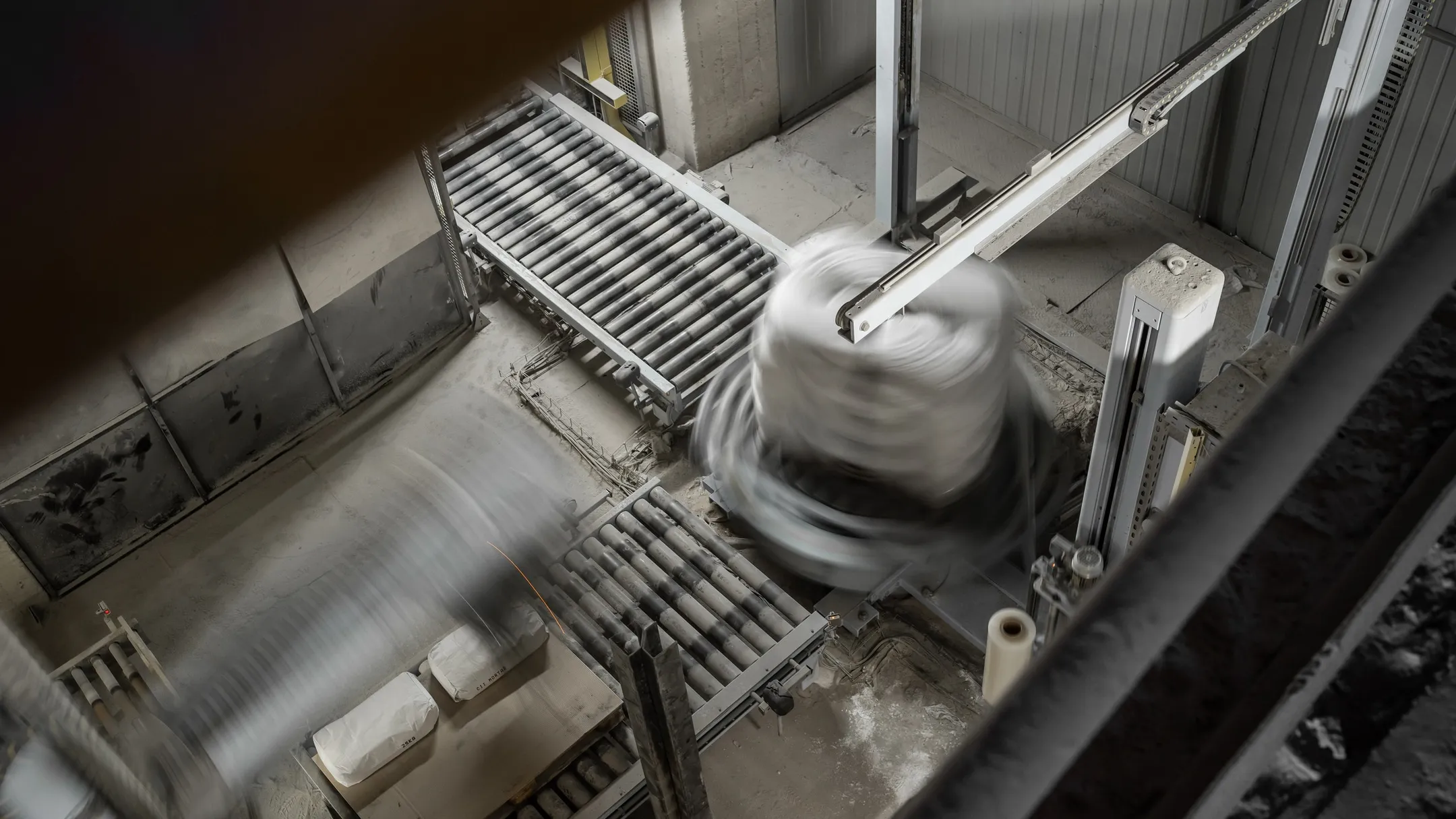
Small choices decide whether photos hold up in front of technical buyers. We avoided the oldest machines on site, framed the modern equipment and robots, and asked for a calliper instead of a tape measure in quality-control shots. Long exposures turned the packing line and the robots into motion that reads as throughput.
people
05A human face for heavy industry
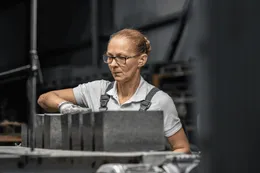
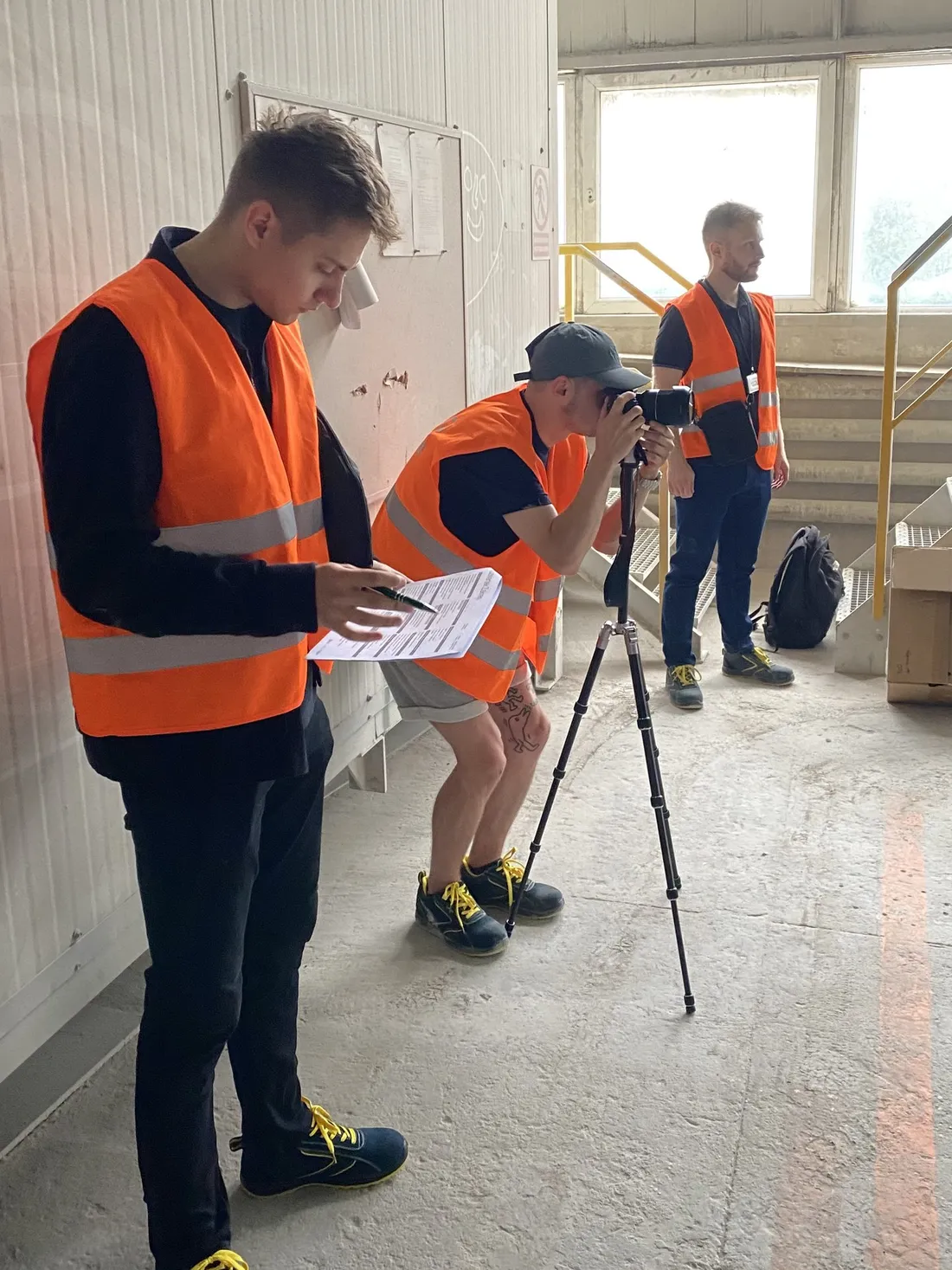
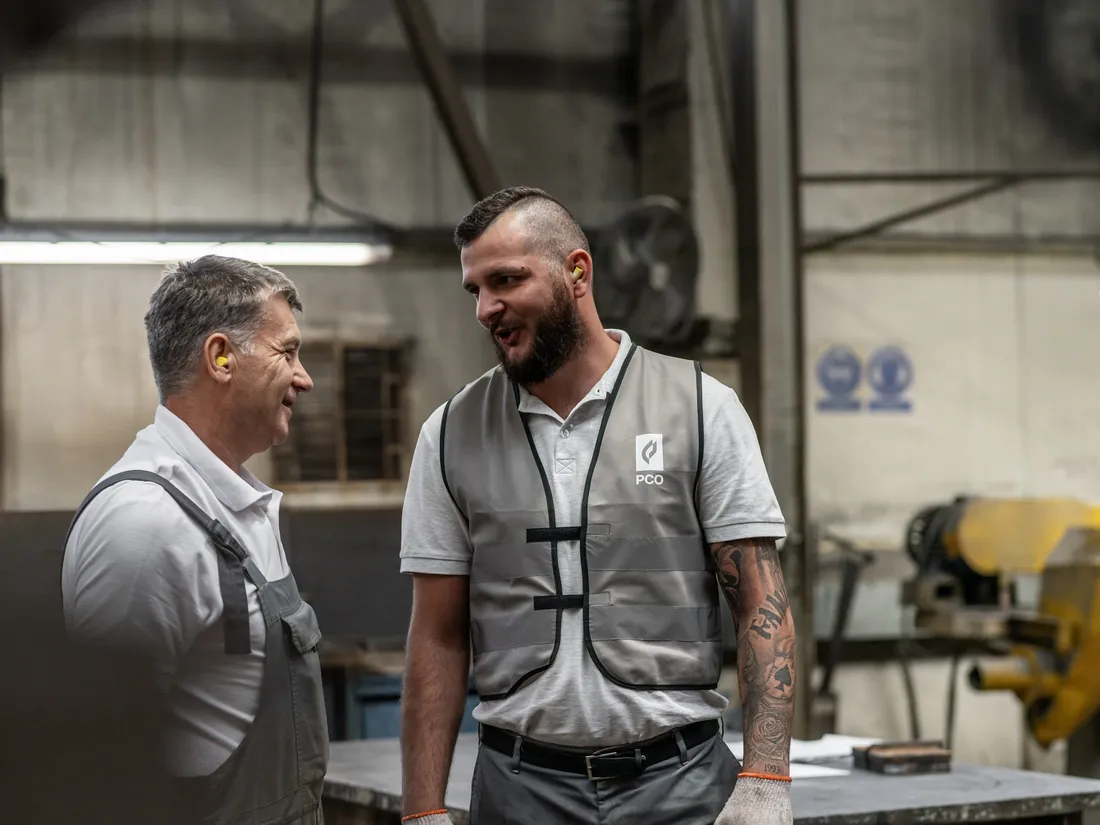
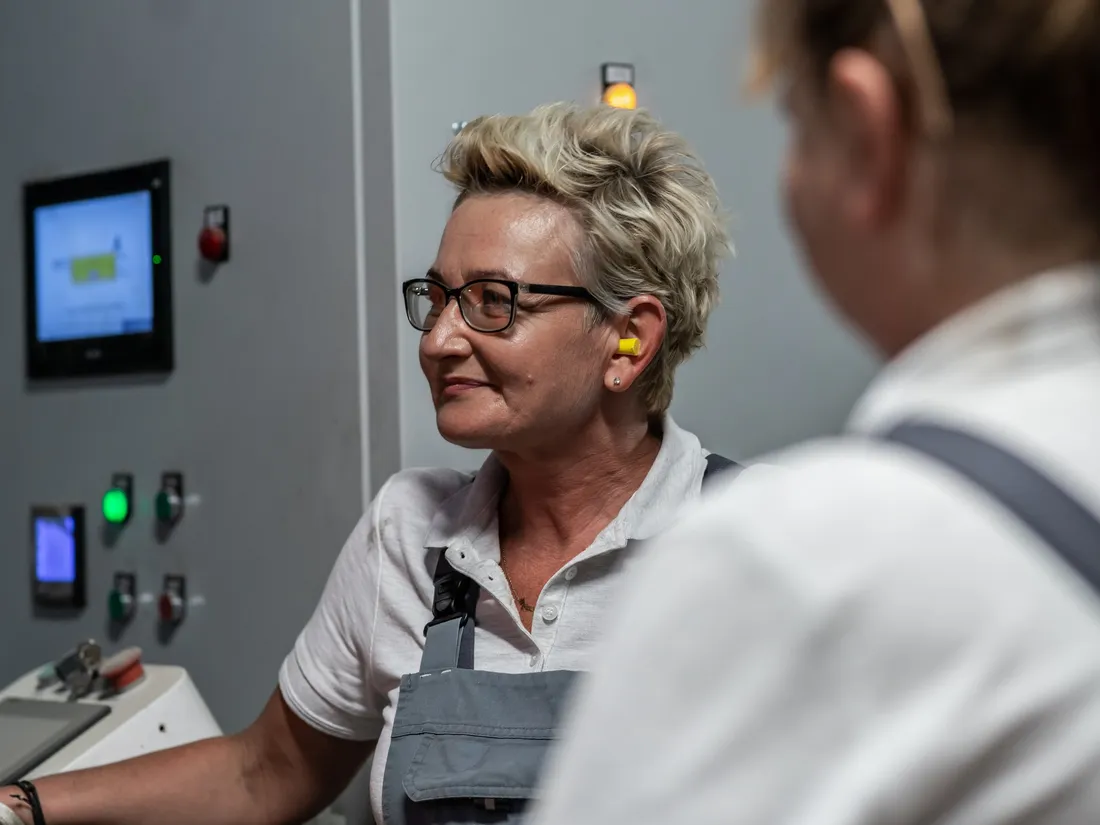
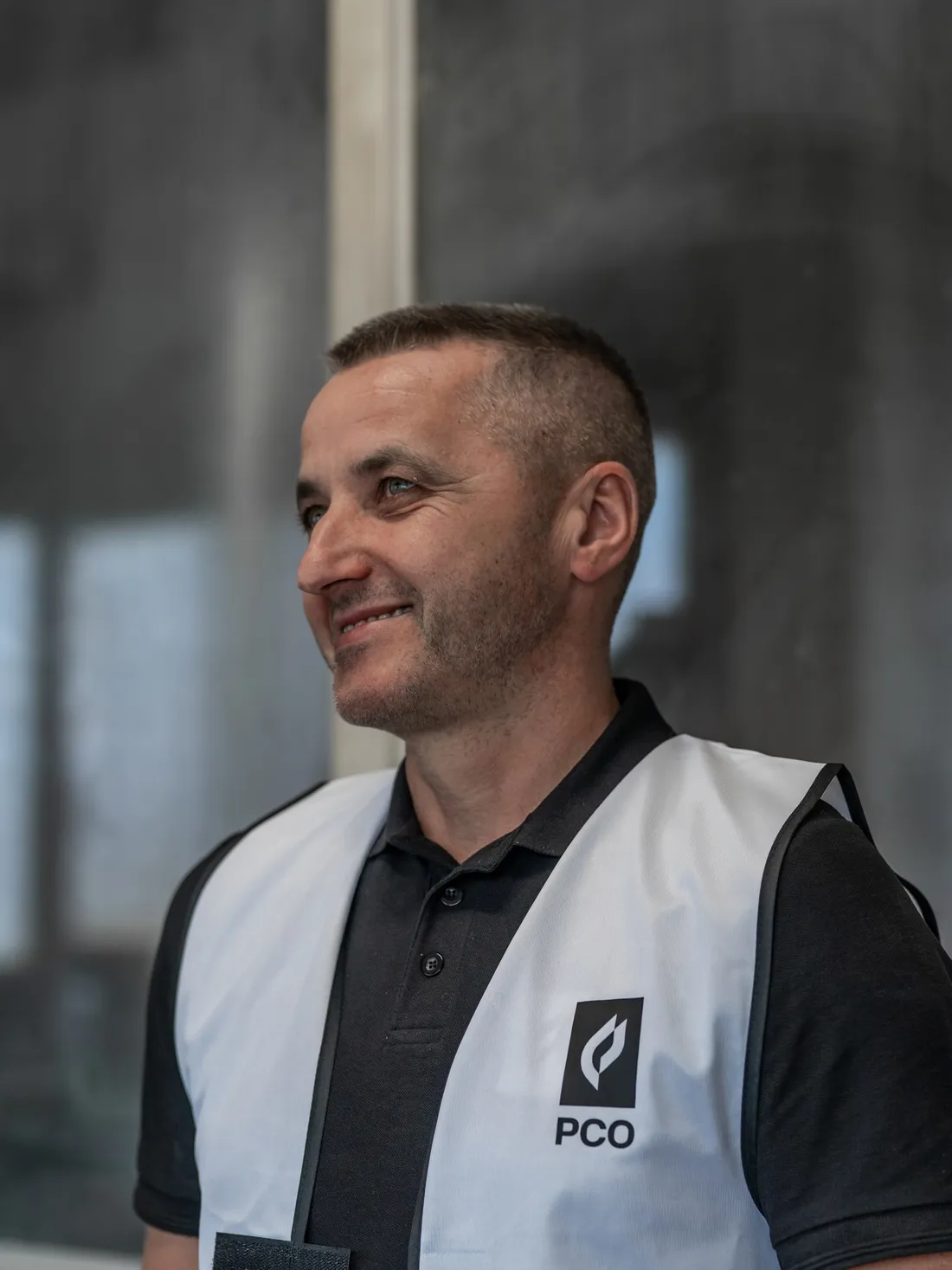
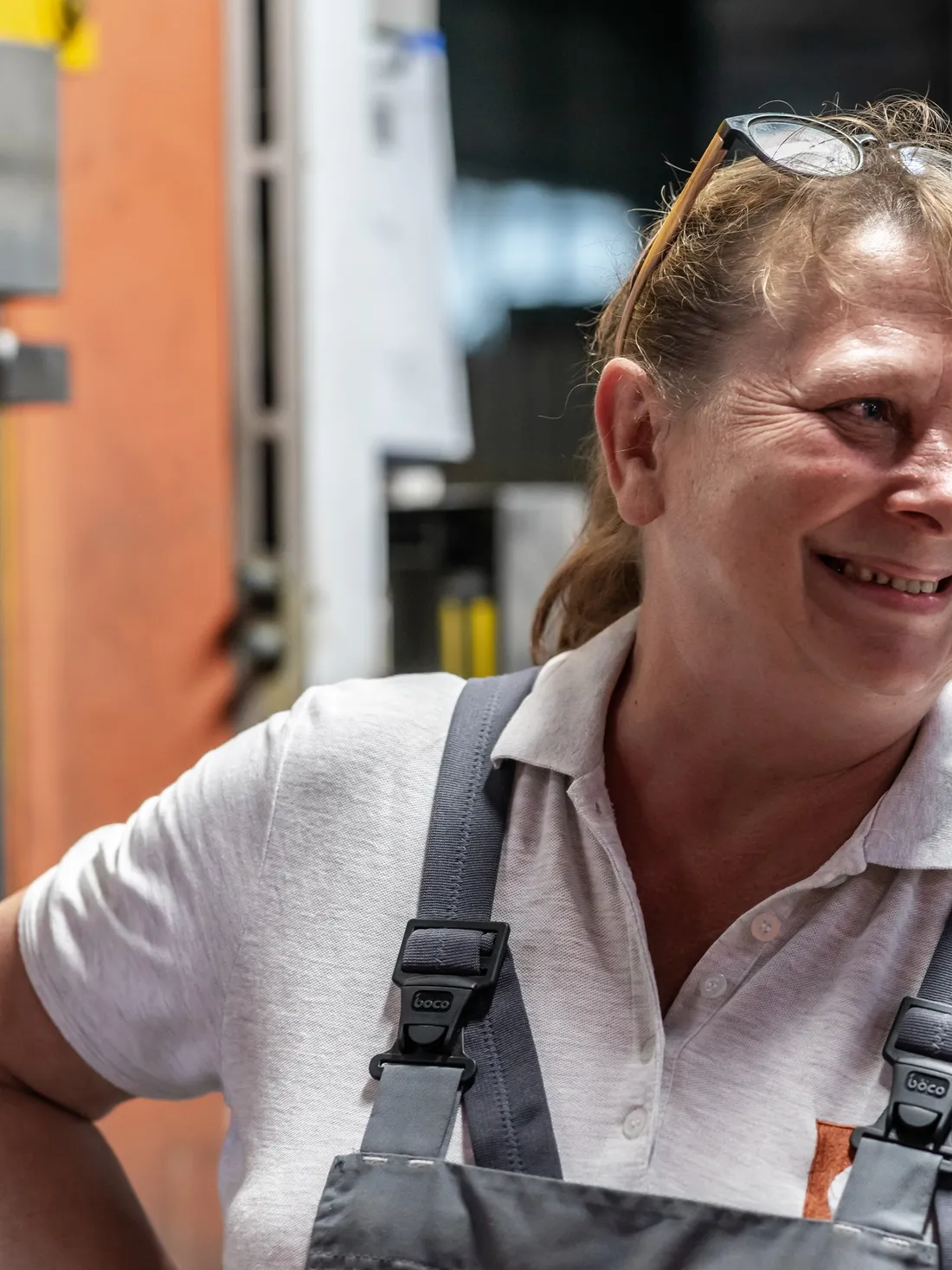
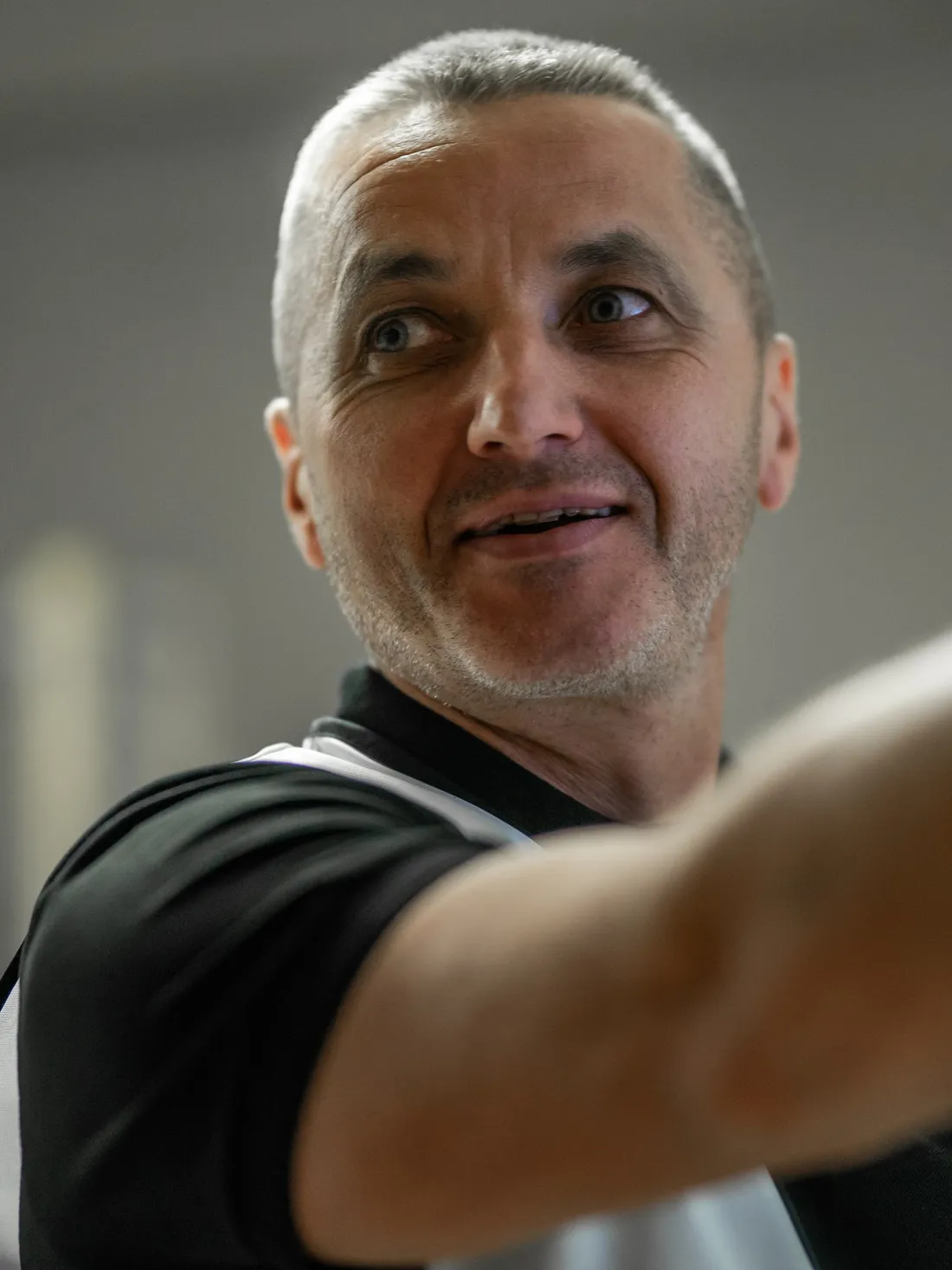
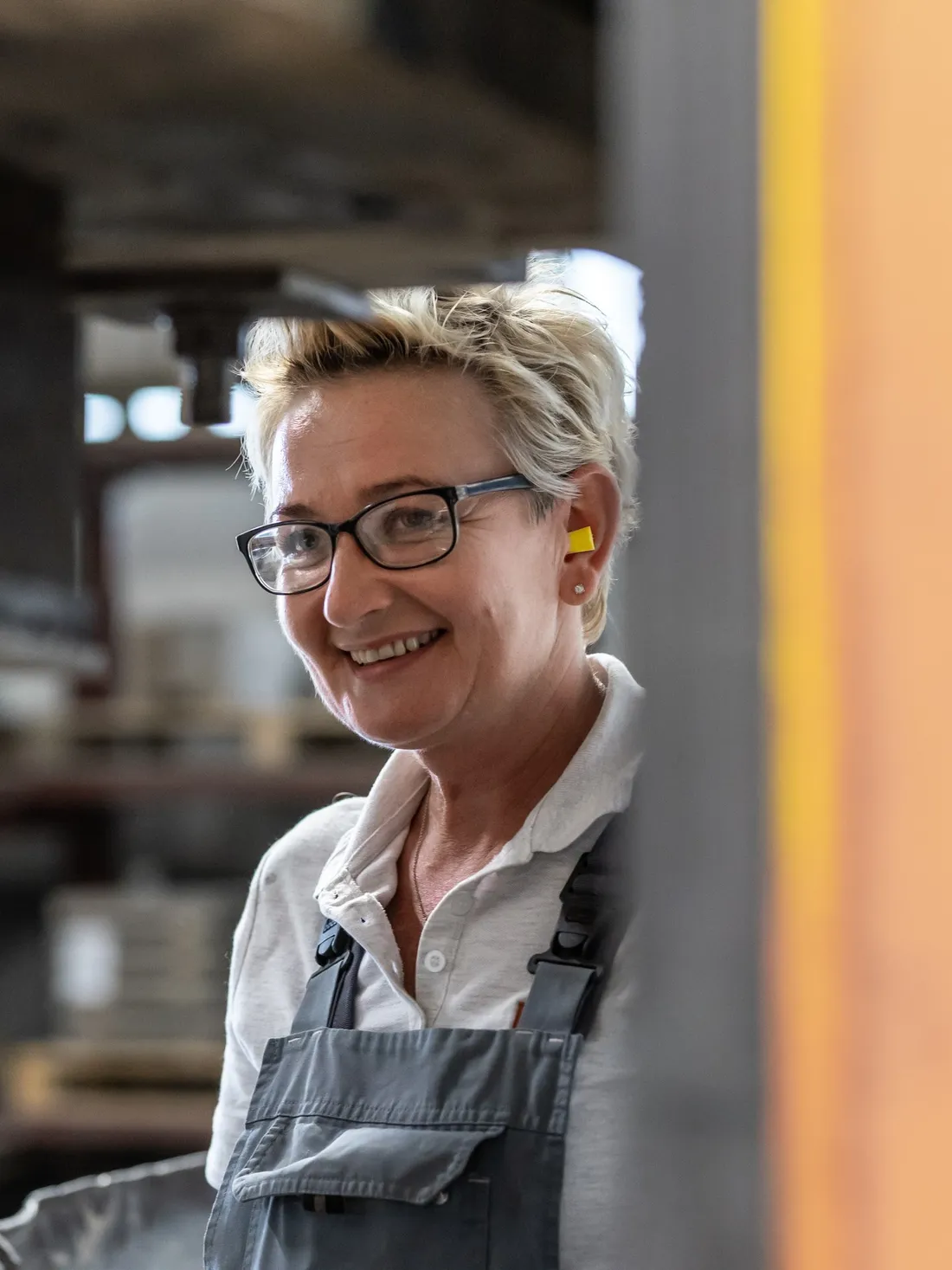
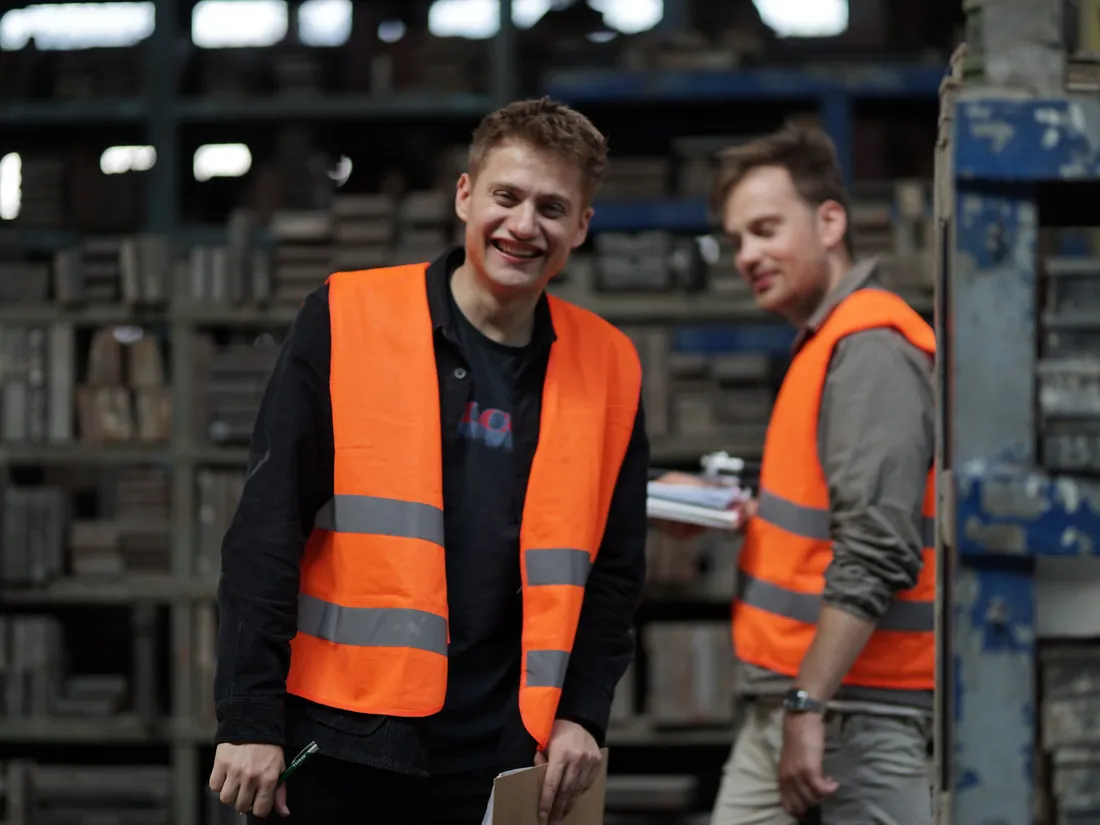
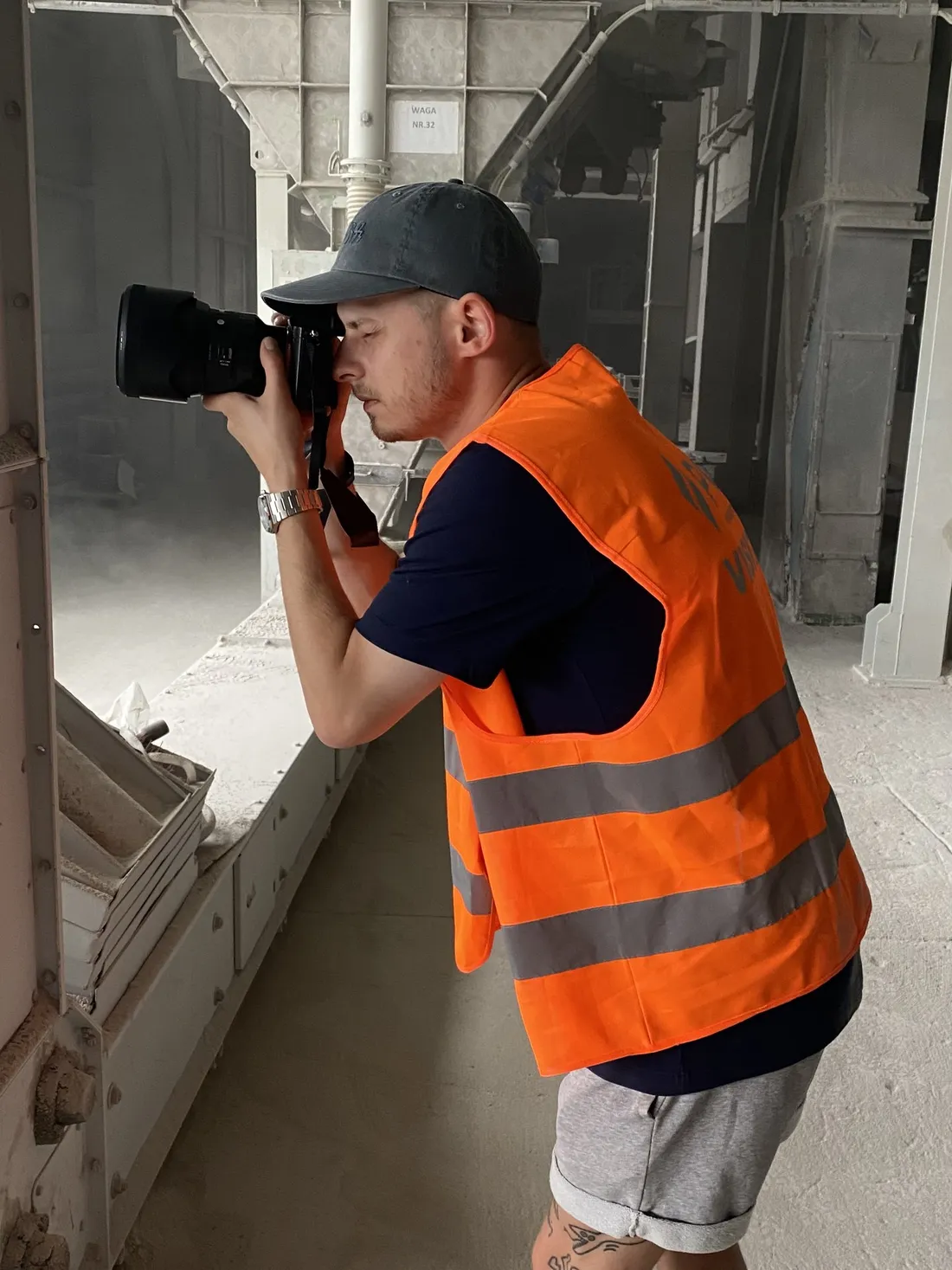
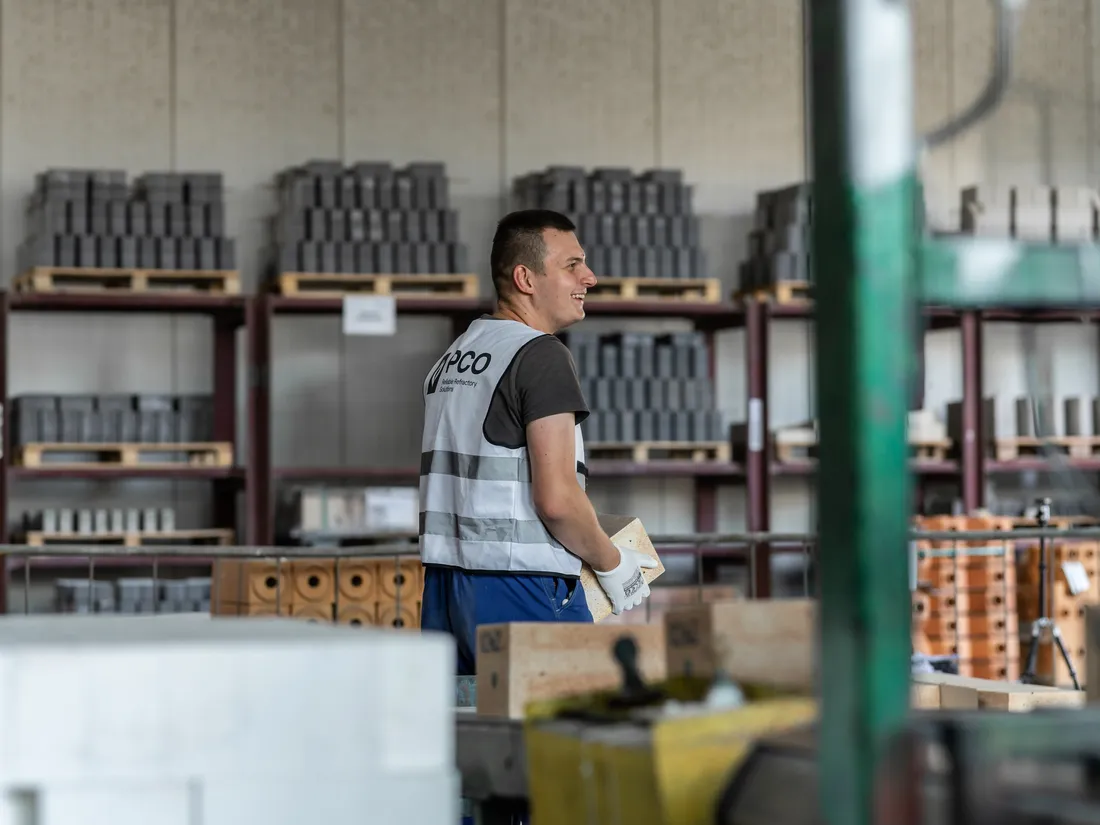
PCO wanted to show the people behind the product, not models. Two of our art directors worked alongside photographer Kamil Blicharski. One talked to the crew, explained the next shot and kept the mood light; the other watched the frame, the background and the checklist. With people relaxed and busy with real work, the camera could wait for natural moments instead of staging them.
Timed to the rhythm of the shift
We planned the social-zone photos for the 9:45 breakfast break, when the whole shift gathers, and agreed with PCO which departments we would visit on which day, so every team knew when to expect us. Portraits range from direct eye contact to candid moments at the machines.


logistics
06Dust, heat and a plant that keeps running
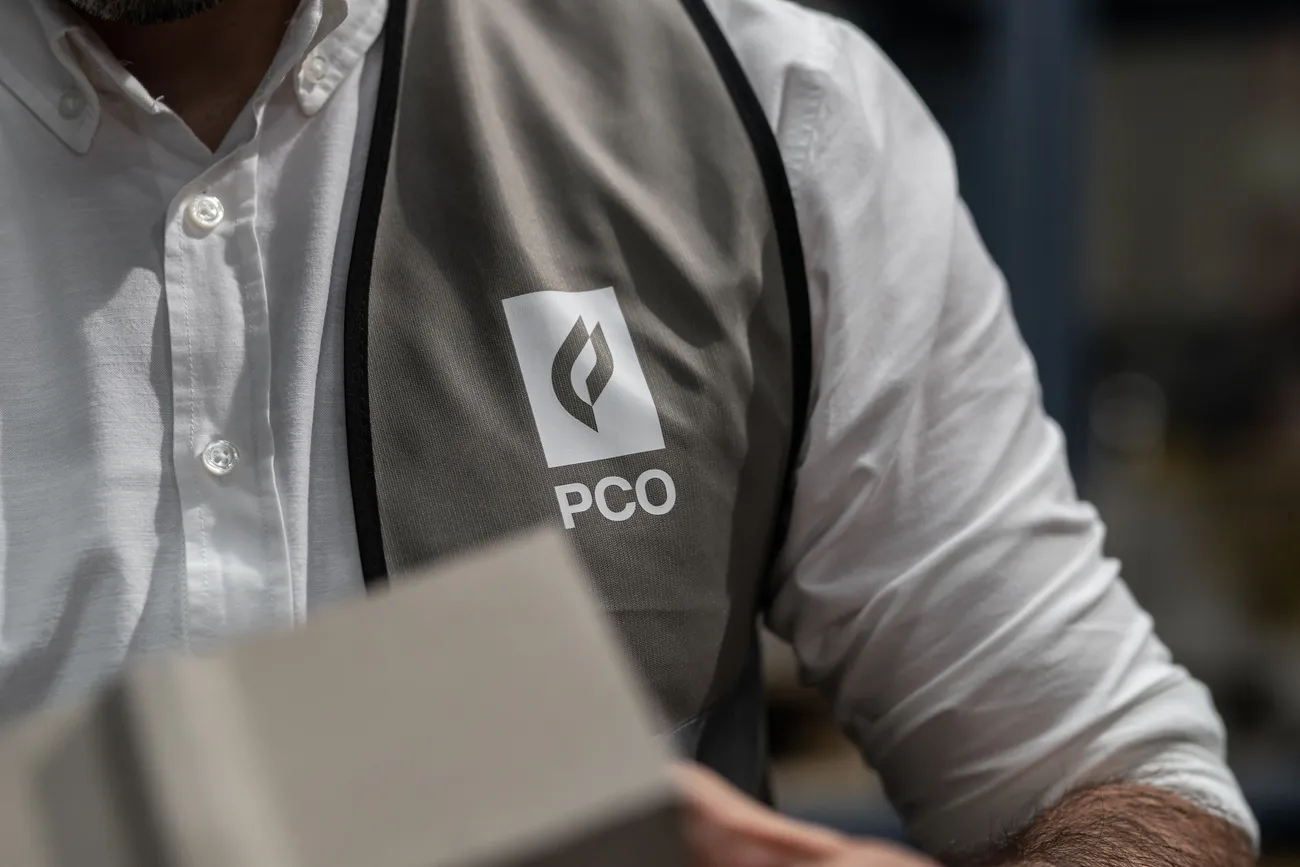
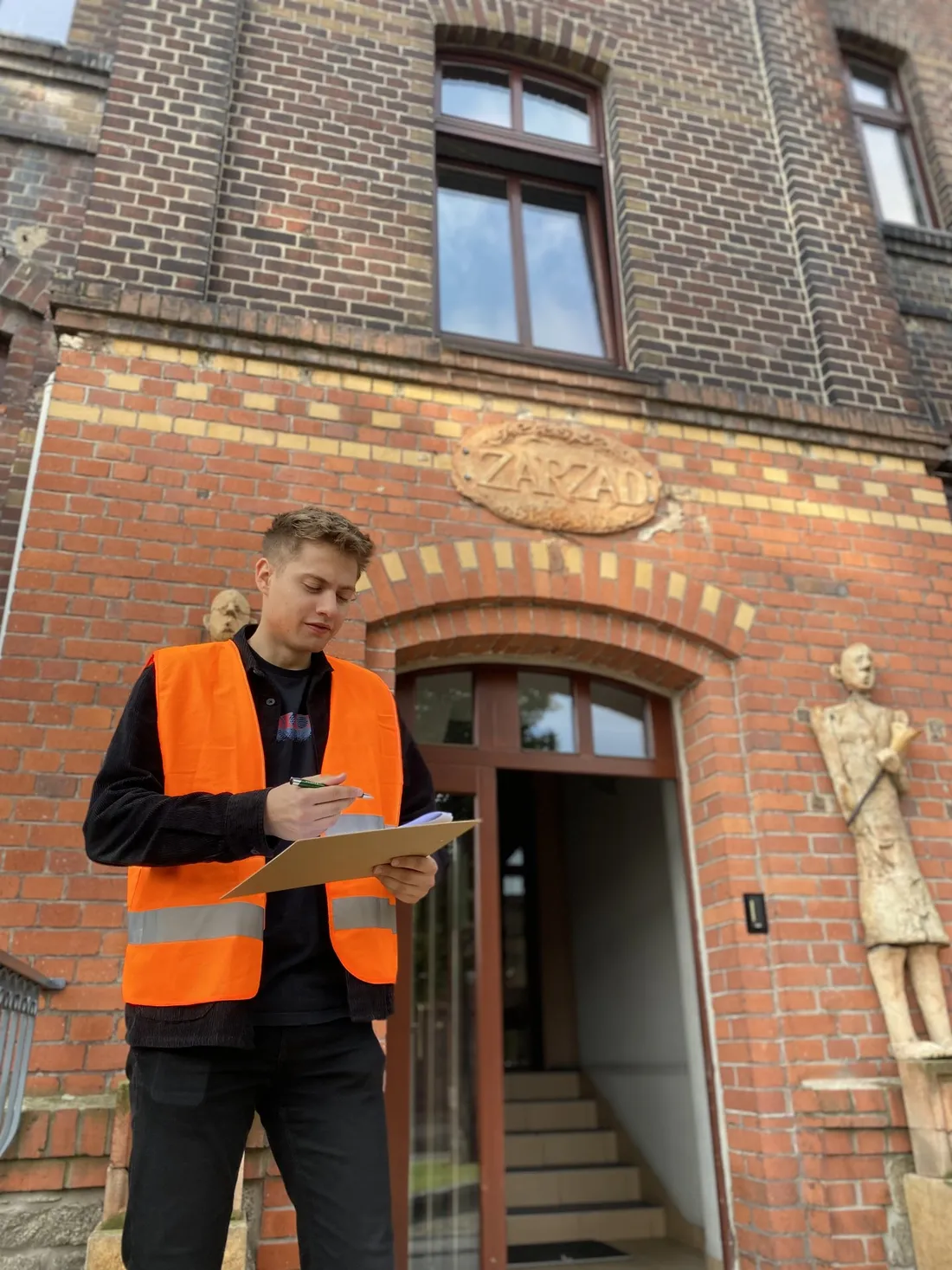
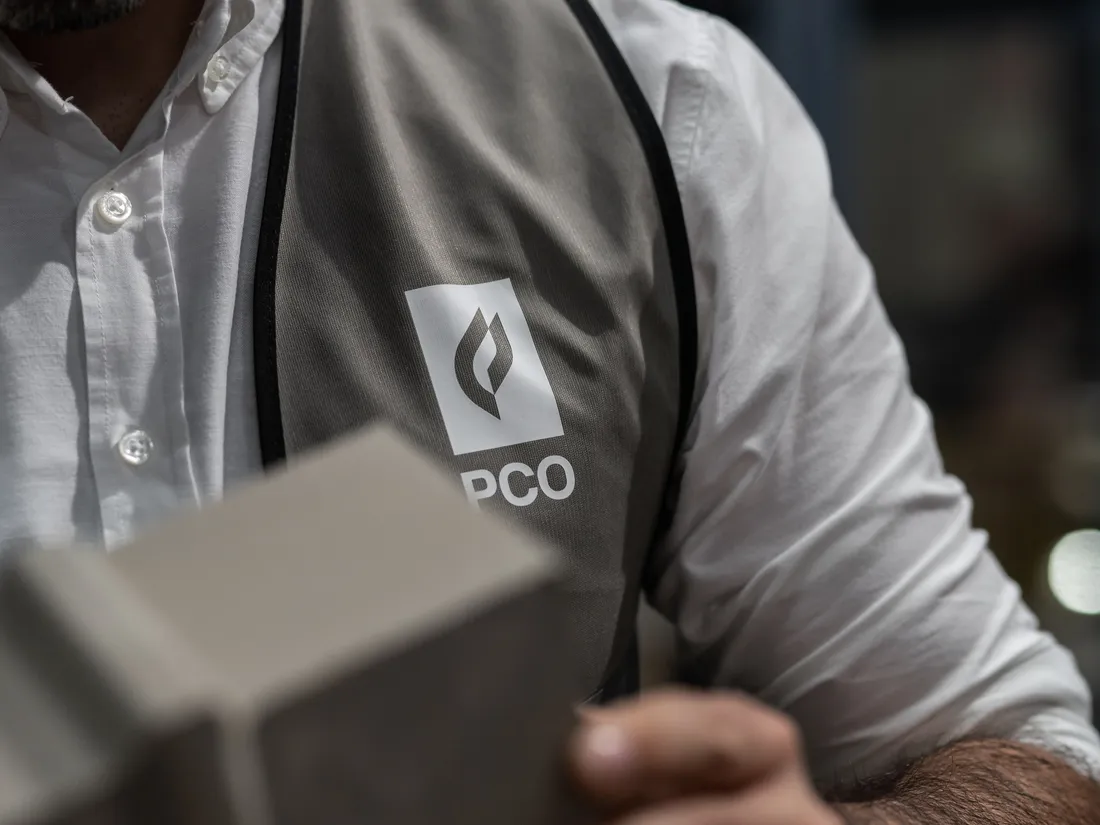
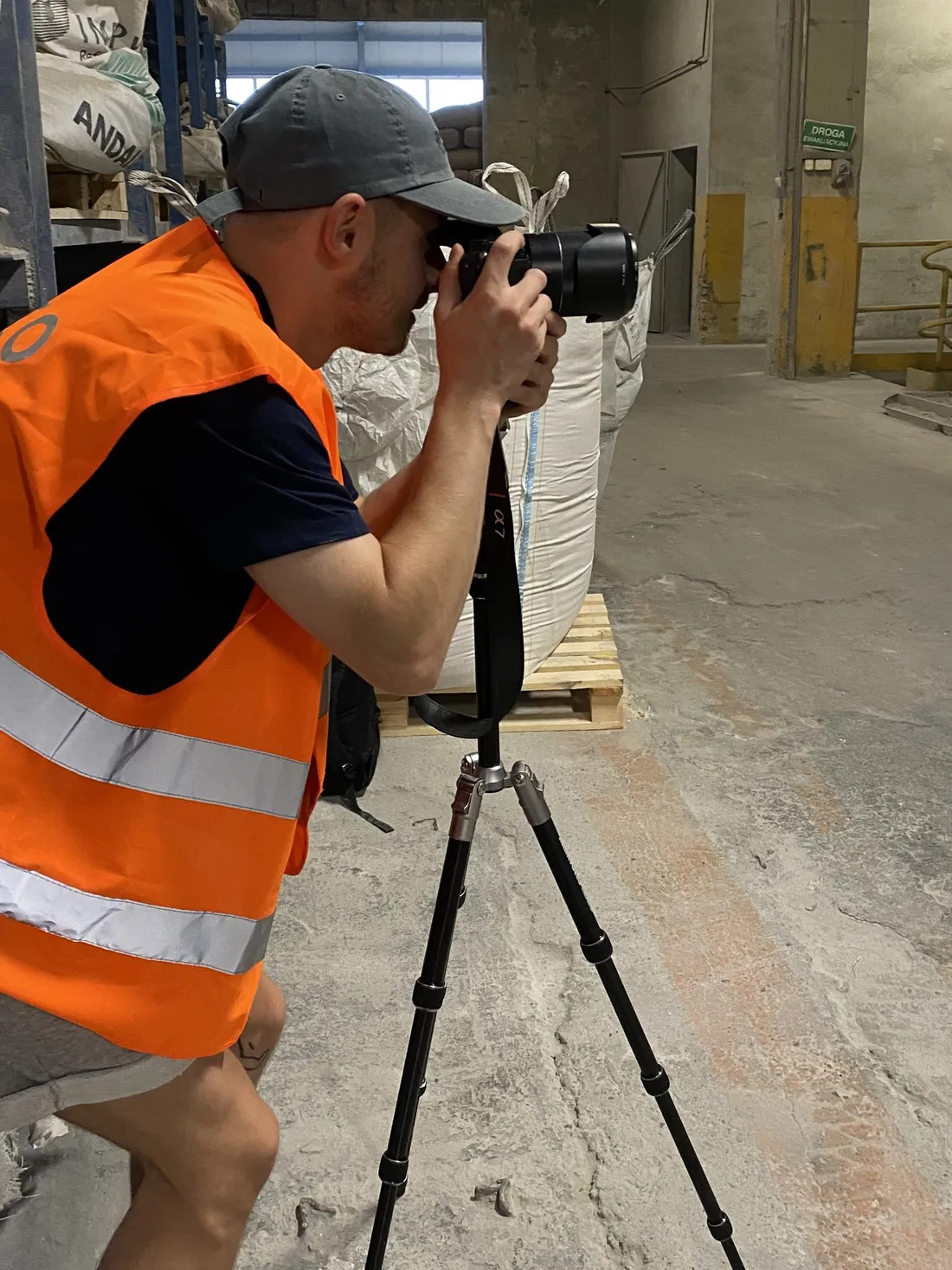
Production could not stop for us, so we moved around it. Our team completed PCO's health and safety training and medical checks before the shoot and worked in PPE and safety boots on both days. PCO cleaned the sections we would photograph, split the departments across Thursday and Friday so each team could prepare, and handed out branded T-shirts and helmet logo stickers to the people in frame.
Props, pre-selection and reshoots
Small props were printed in advance: 20 pallet labels and sets of company and technical documents, so staged quality-control scenes match the real paperwork. Airborne dust scatters light, so we worked from a tripod wherever the machines allowed and used the haze as atmosphere where it helped. Every evening we pre-selected the day's photos station by station against the checklists and set the reshoots for the next morning.
product photography
07One light, one floor, every material
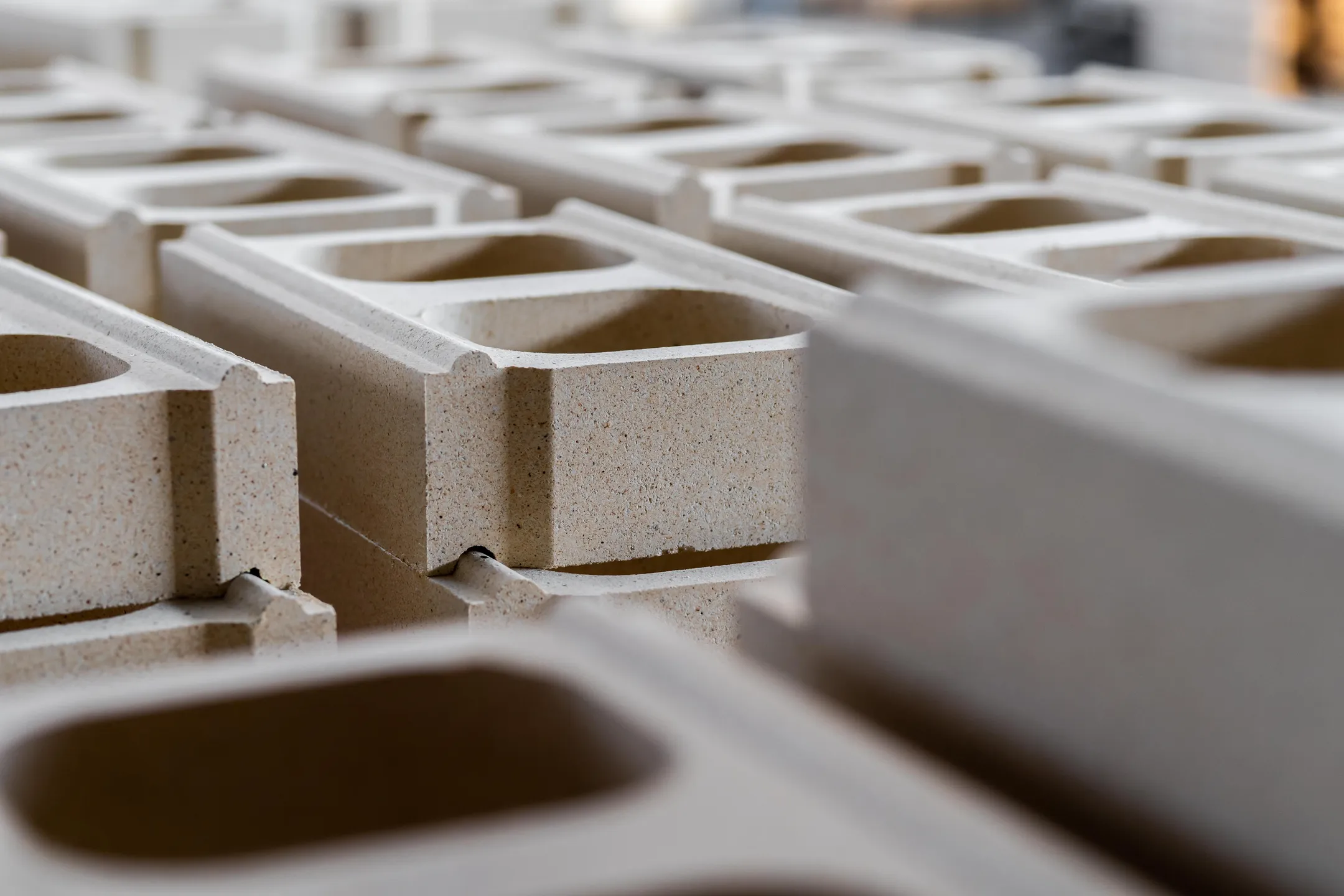
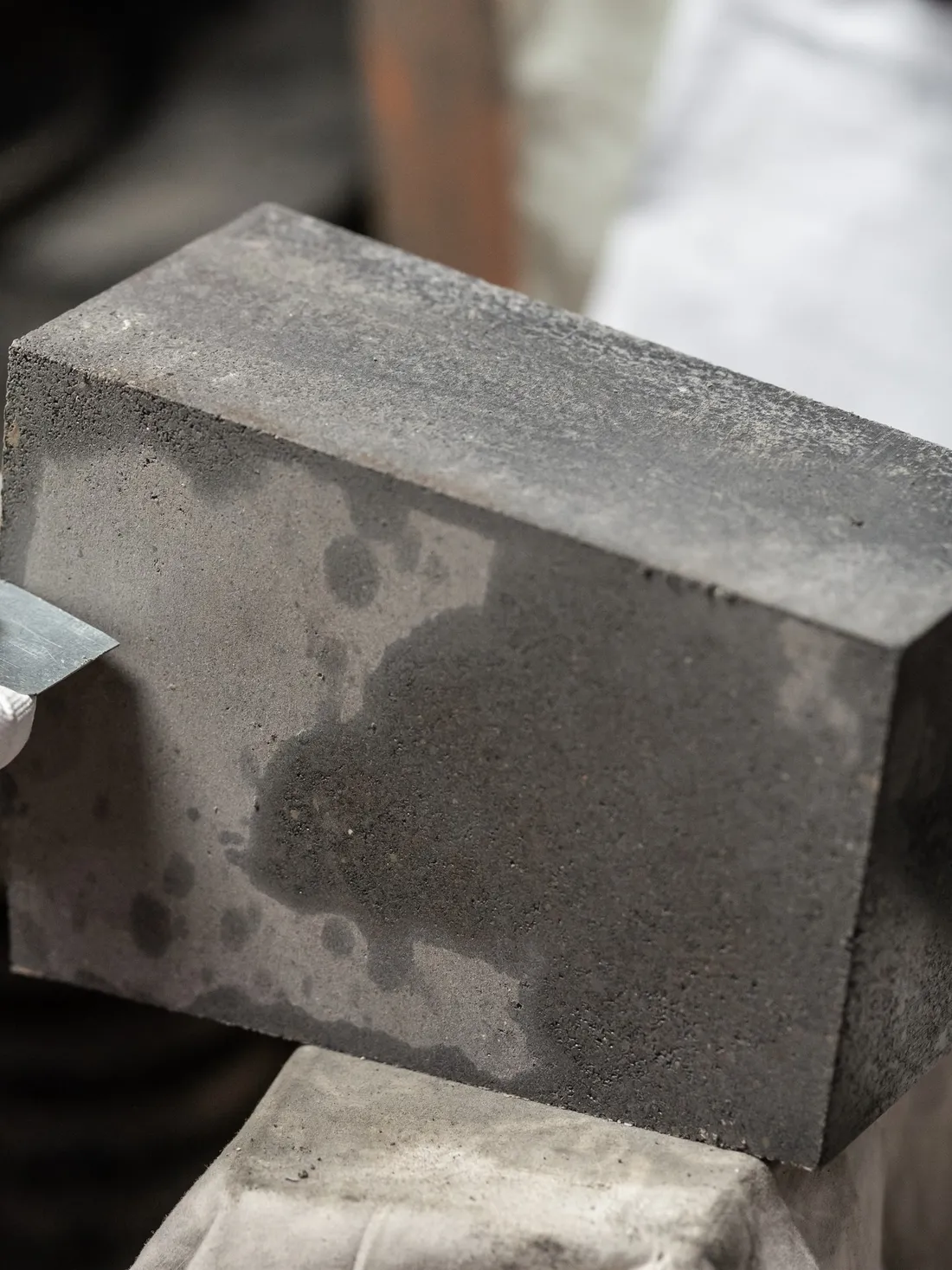
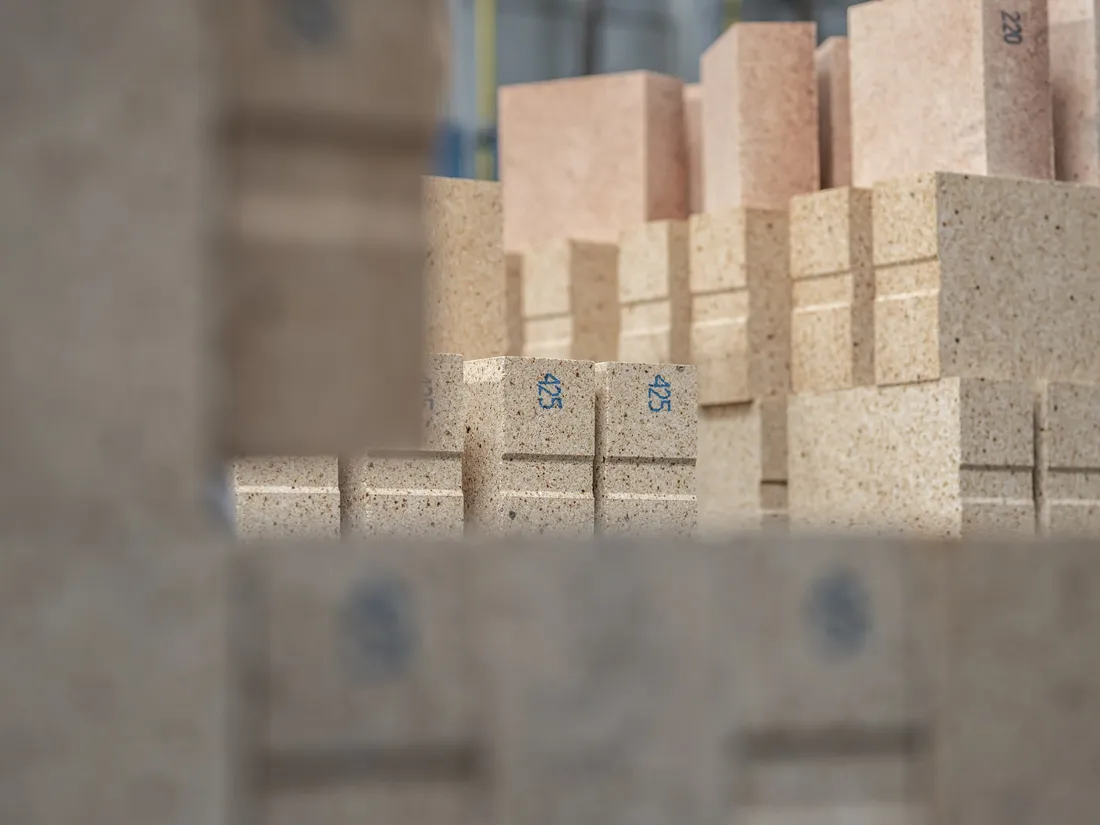
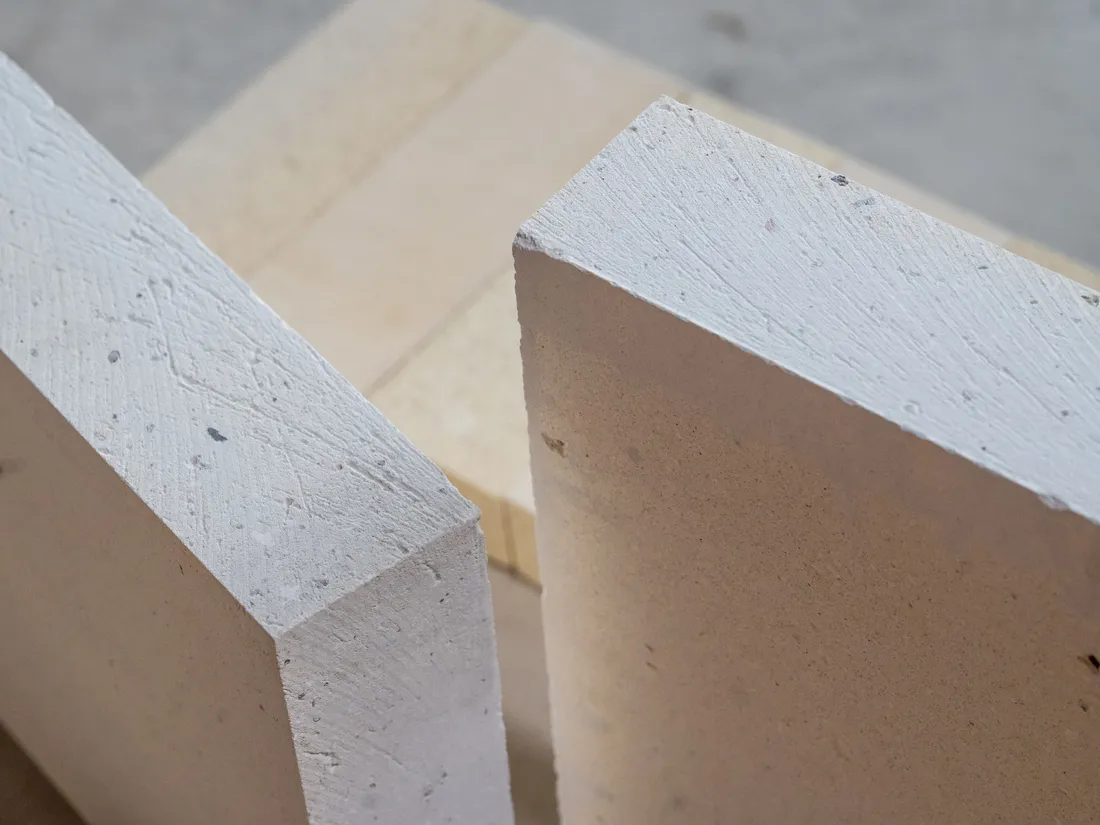
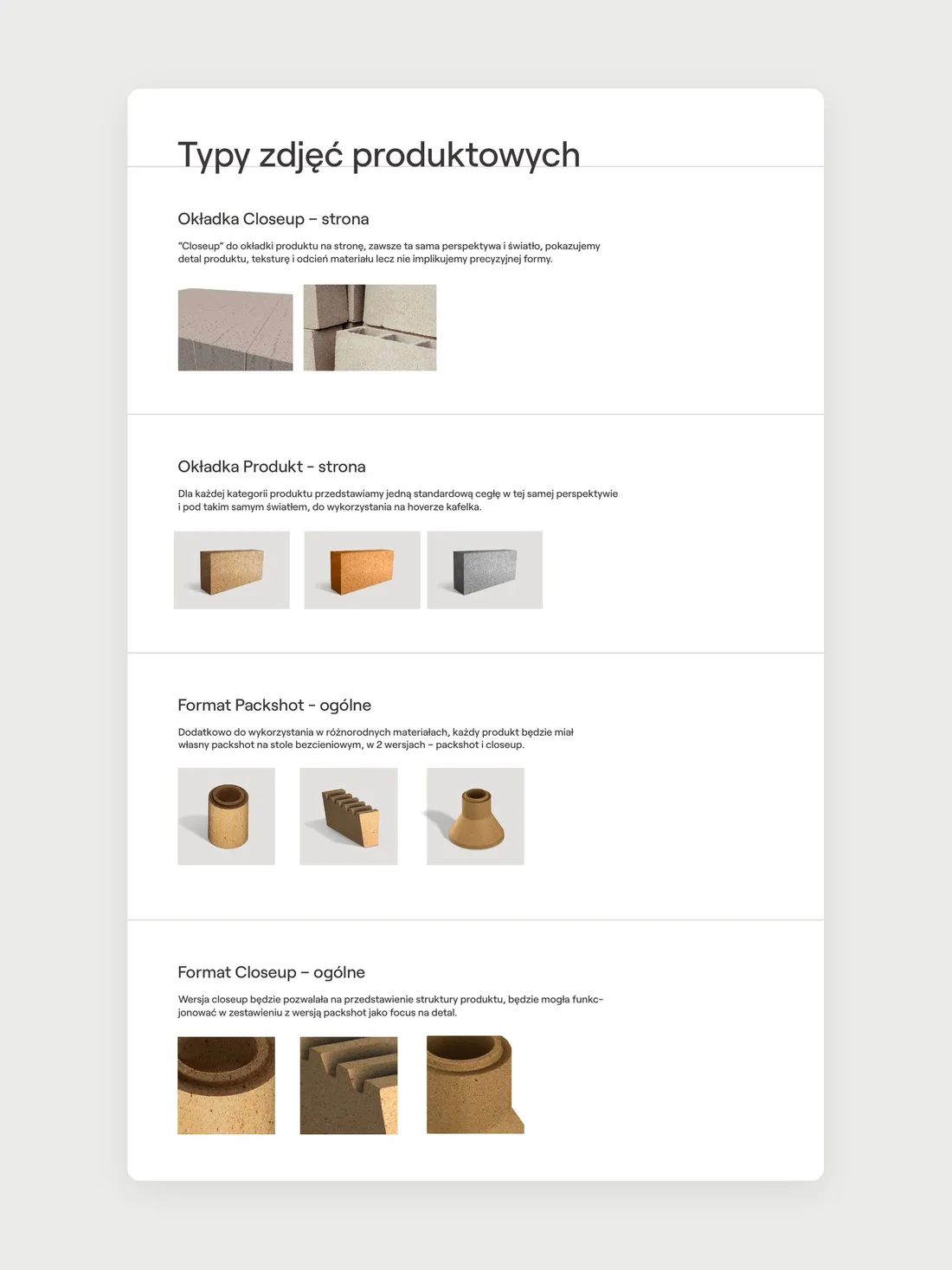
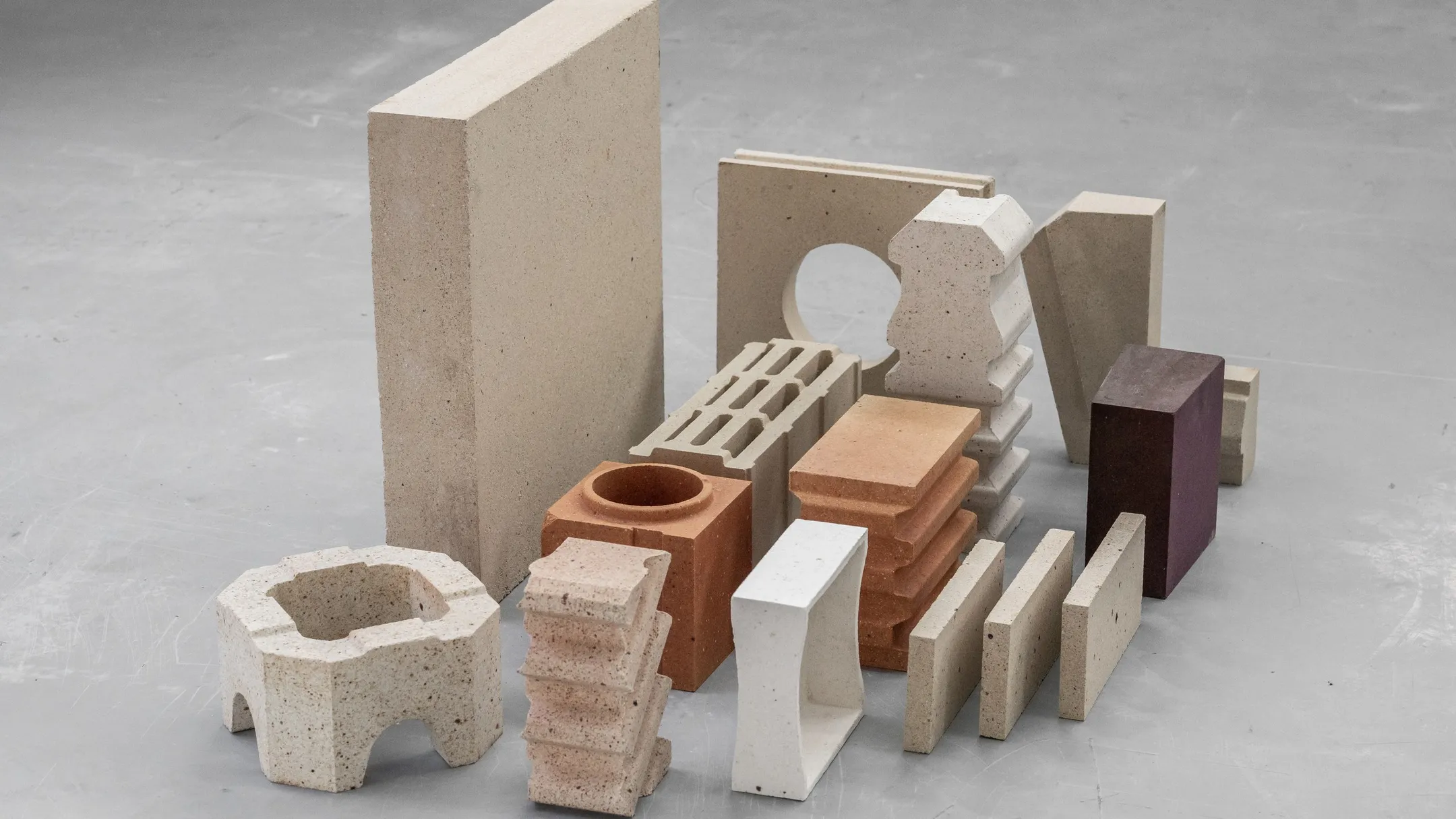
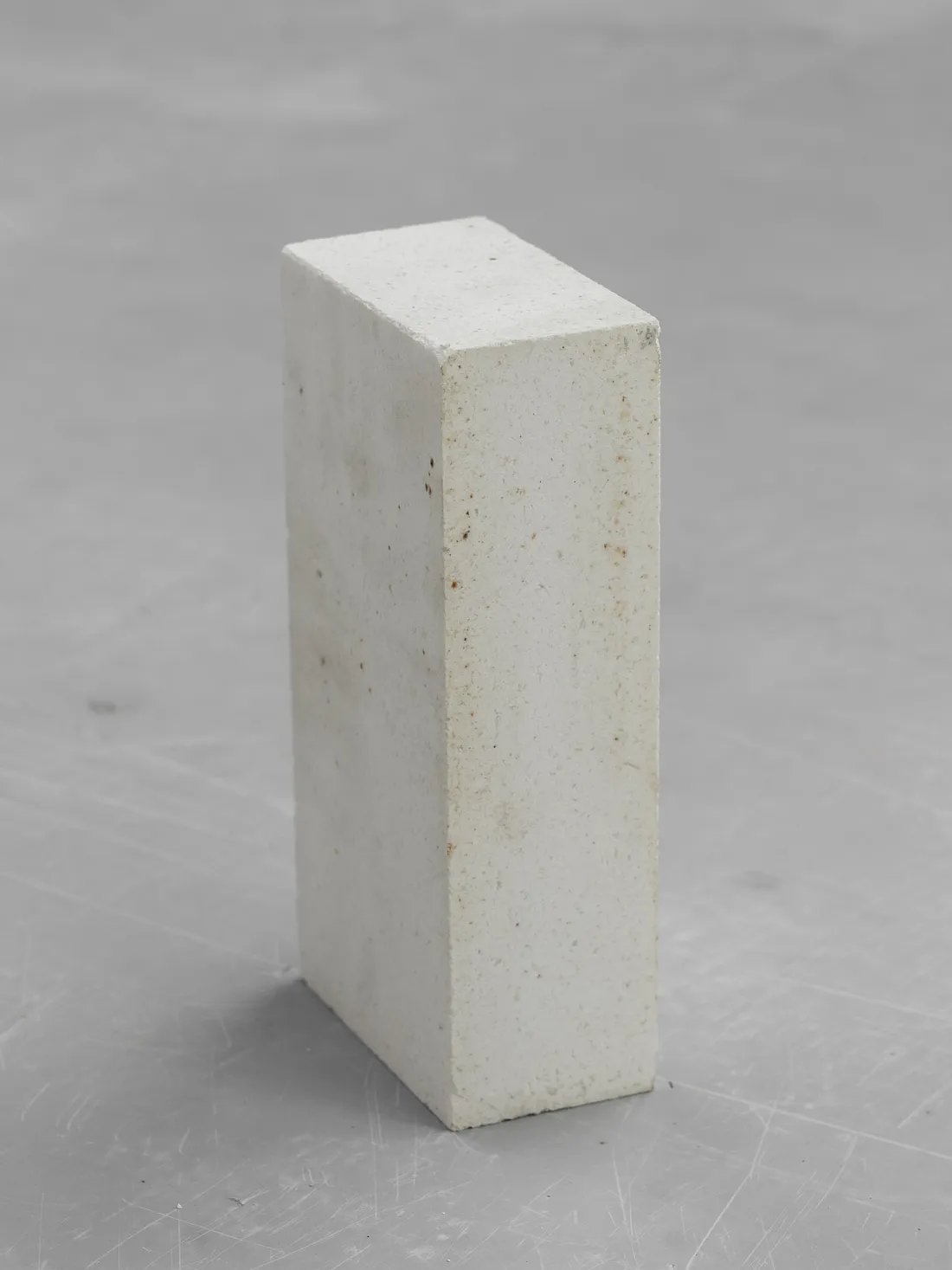
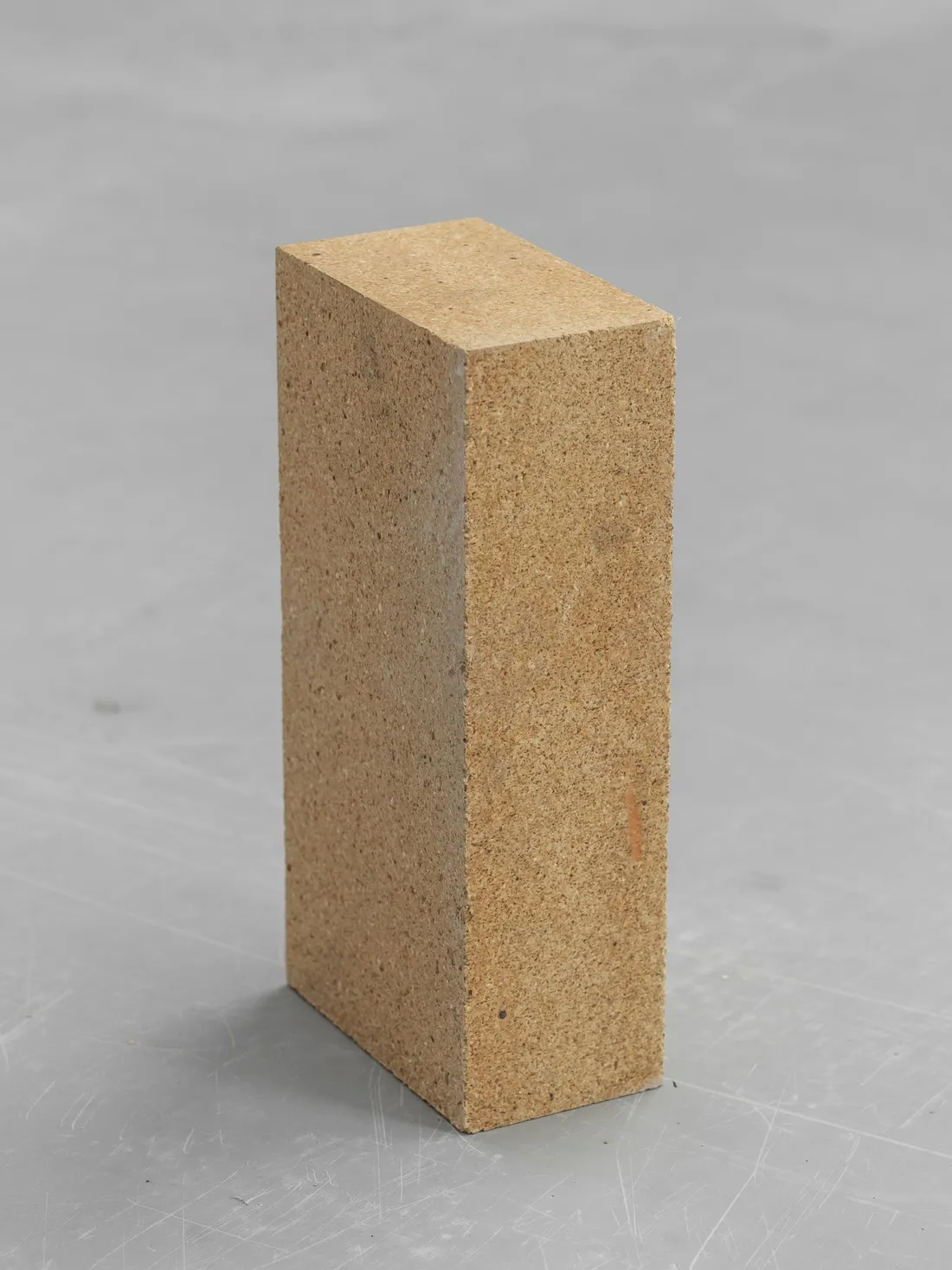
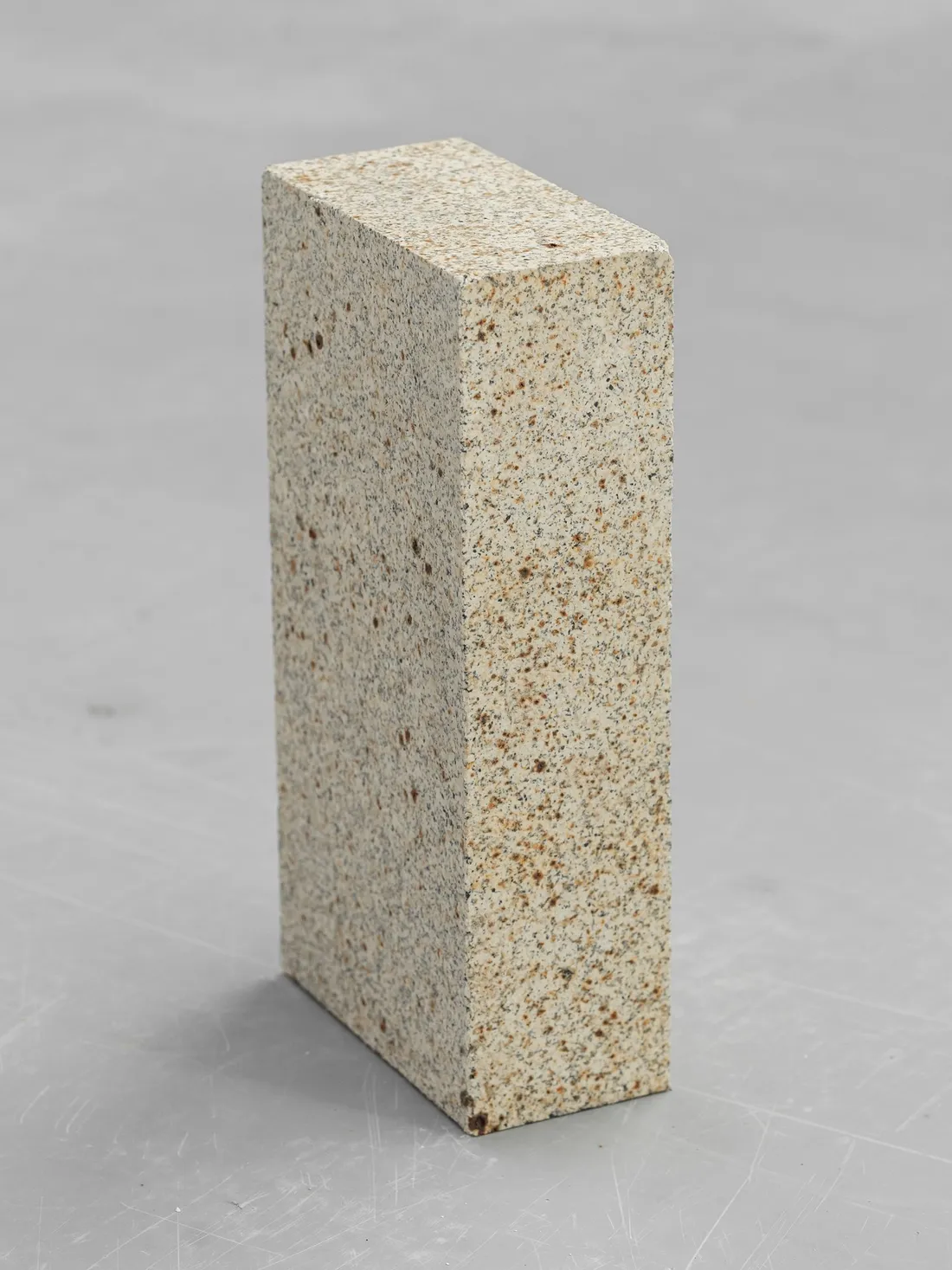
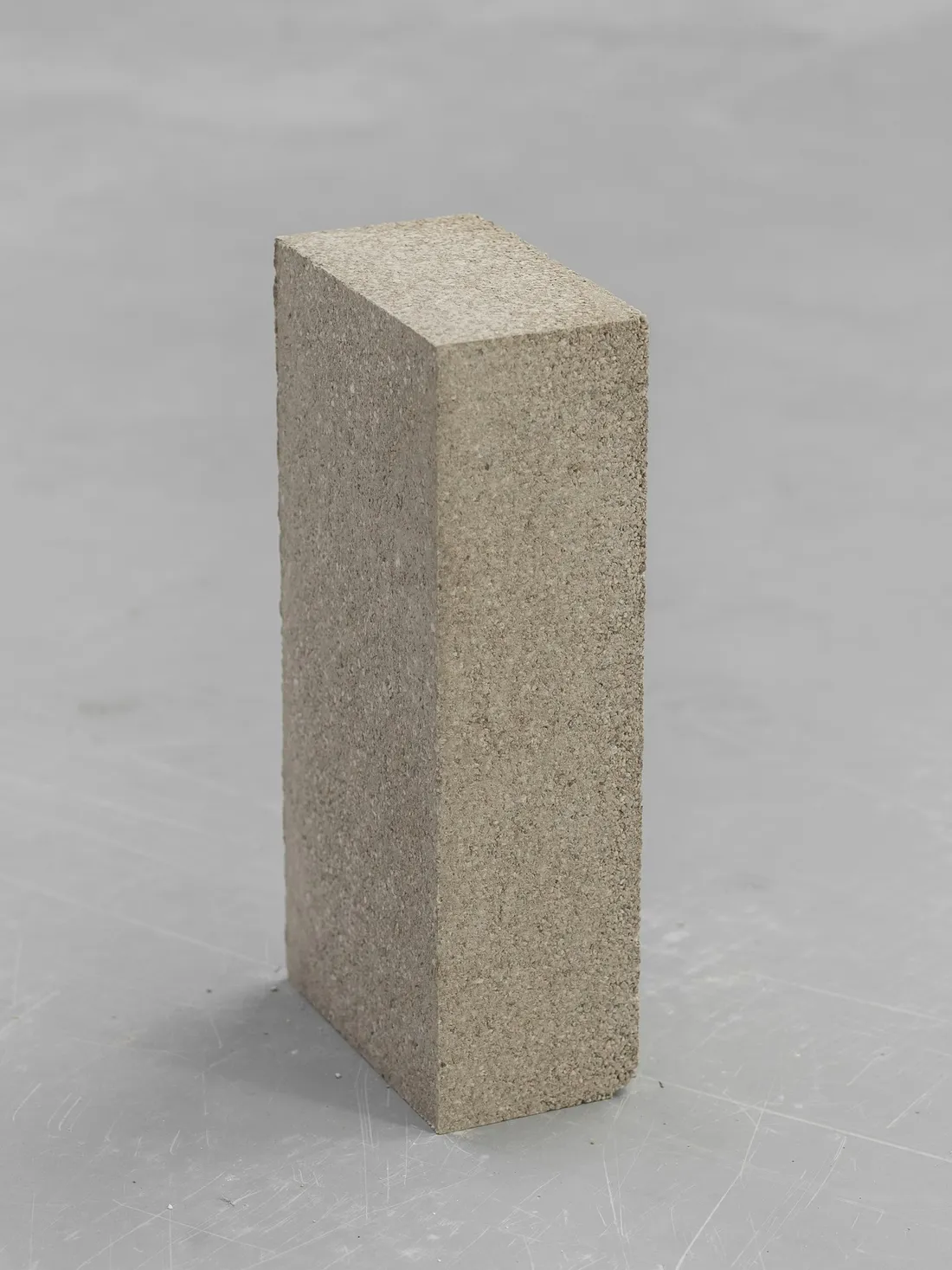
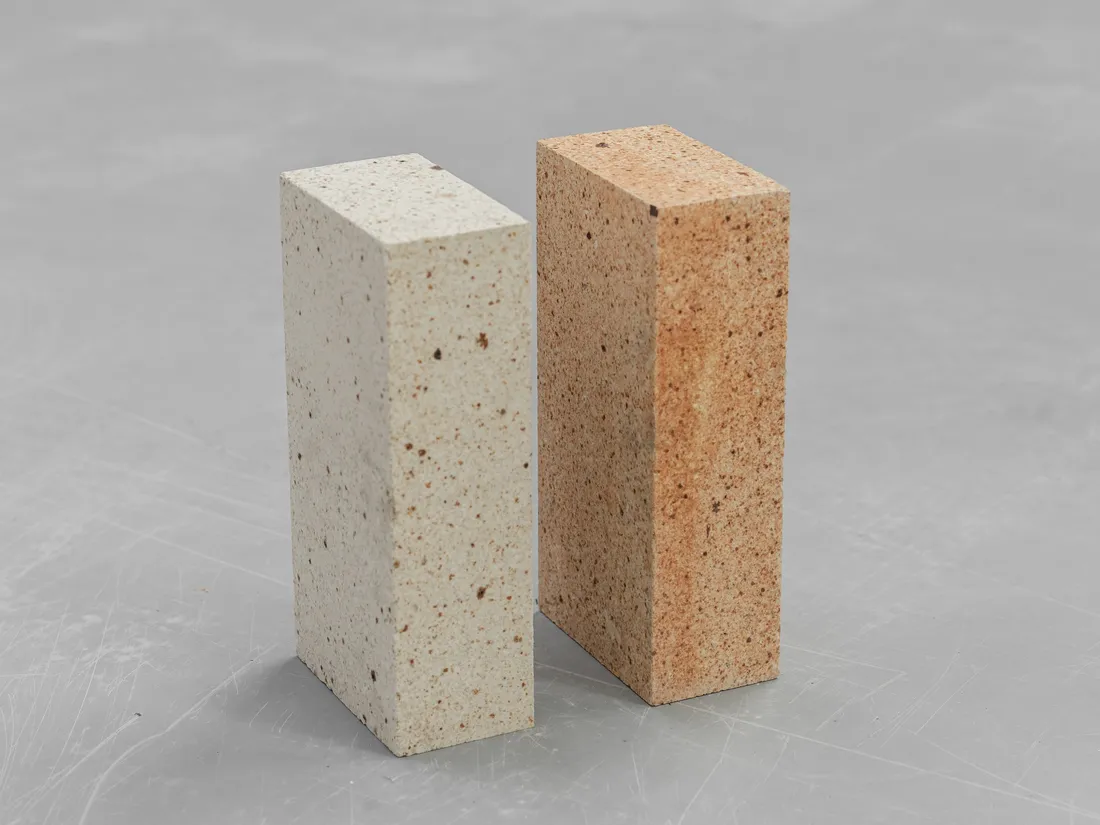
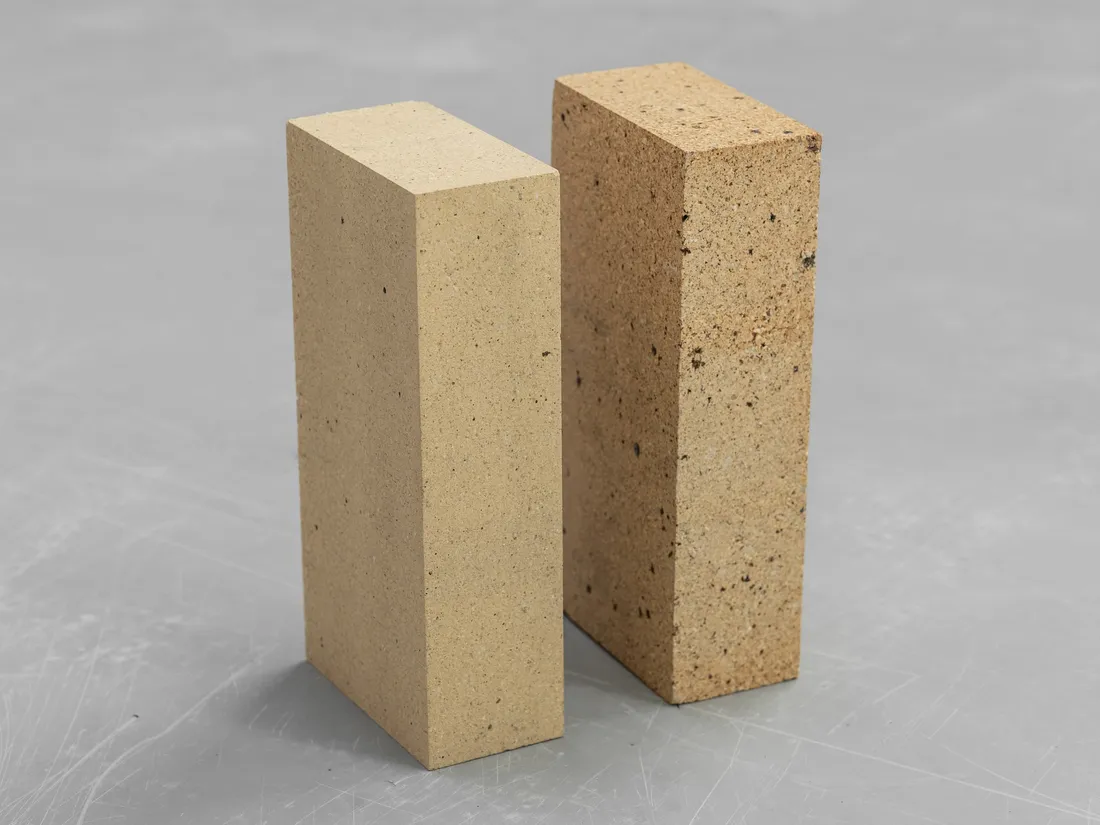
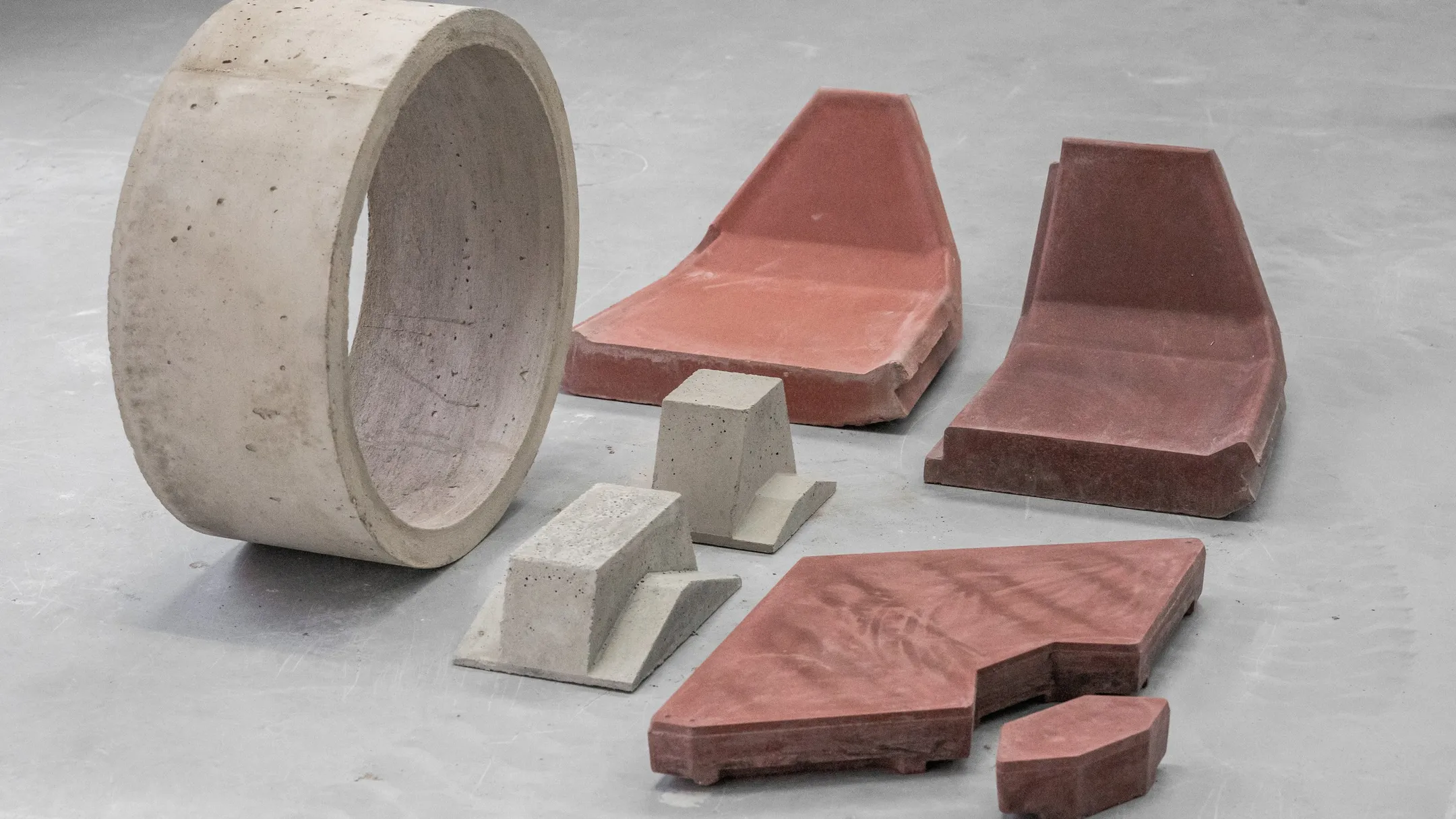
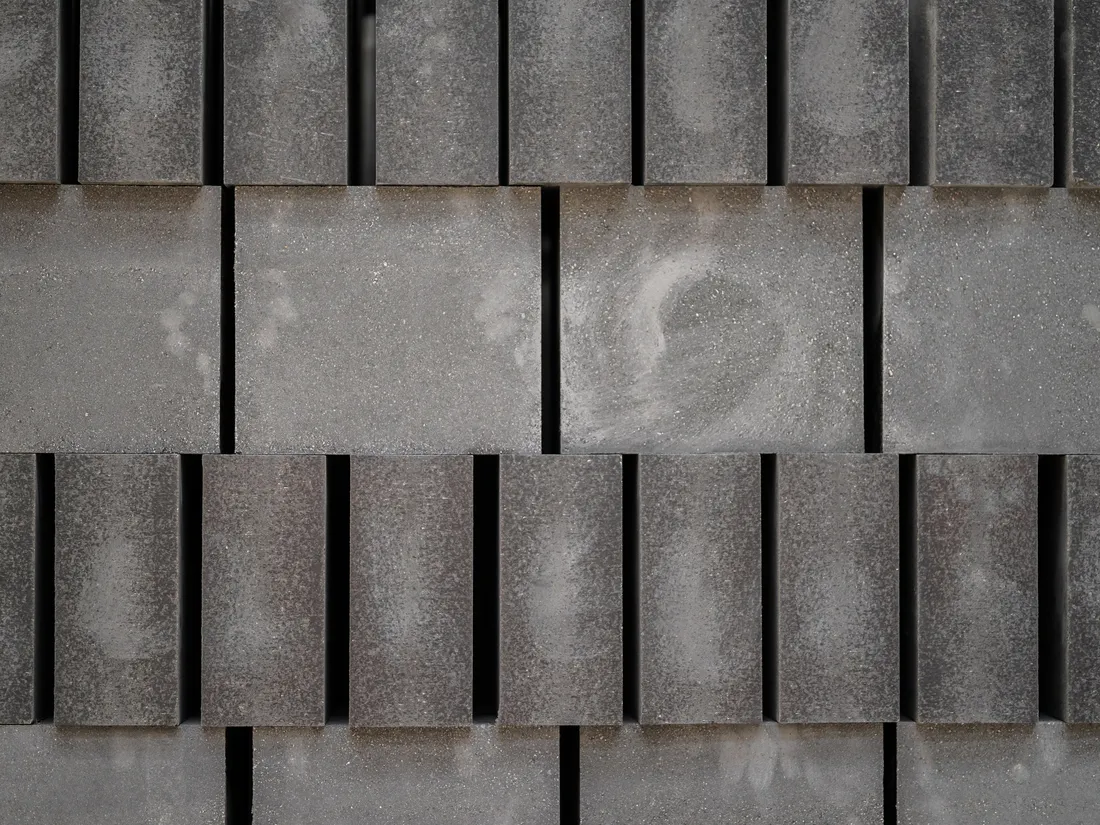
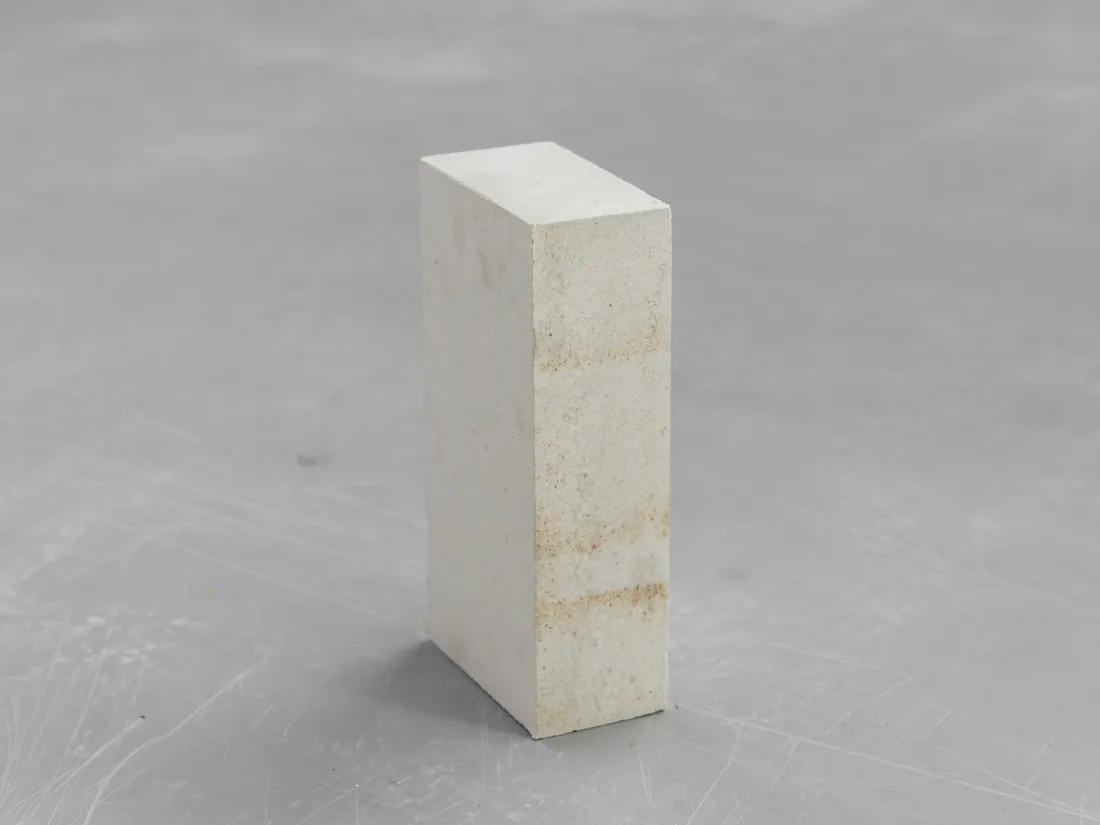
Refractory products look alike in a bad photo and very different in a good one. Before the shoot we wrote a product photography concept: cover close-ups taken with the same perspective and light, so texture and shade carry the difference without suggesting a specific format; one standard brick per material category; packshots on a shadowless table; and separate close-ups of formats.
Consistency is the point
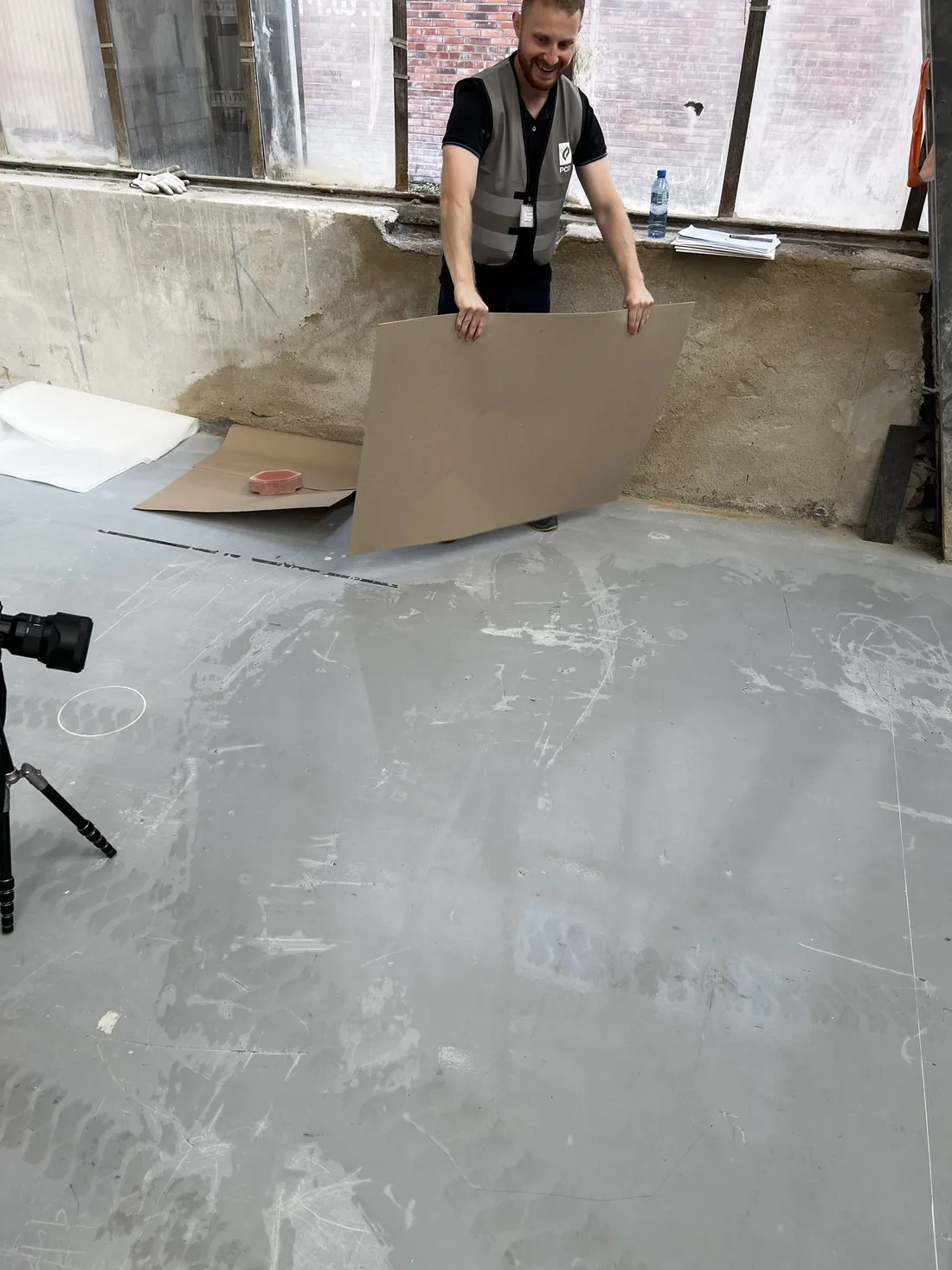
We built a simple set on site, with a grey floor, a backdrop and a fixed tripod, and kept it unchanged for the whole series. Fireclay, andalusite, mullite, bauxite, corundum and carborundum bricks, insulation and castables were shot in the same position and light, so colour and grain can be compared directly on screen. Material types stay separate from formats, so customers never confuse a material with a shape.

website
08Made for the site from day one
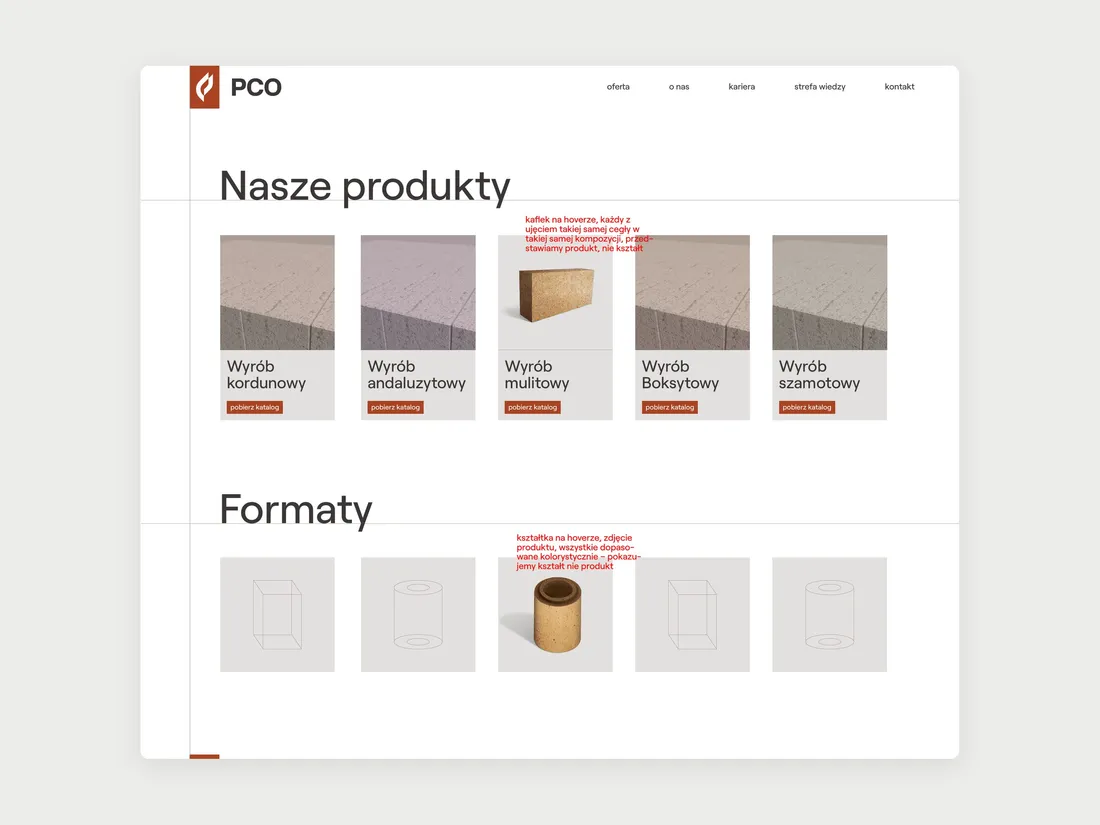
Because we designed PCO's website and art directed its photography, the two fit. The products page uses the material close-ups as category covers and shows formats in a separate grid. Process photos illustrate each production step, and the people photos run through the company pages.
outcome
09An image library for years
Two days on site produced a final selection of 172 post-produced images, sorted into processes, infrastructure, people and products. PCO uses them across its website, catalogues, presentations and social media. Factories are honest places. Photographed honestly, they give images no stock library can match.
Blog